
Our party of ten boarded the 08:05 ferry, slightly apprehensive upon learning of the weather forecast in the north – east of Scotland with a prediction of cold, northerly winds with regular heavy showers. Nonetheless we were in anticipation of the birds we hoped to see as the latest reports told of Common Cranes, both Little and Great Egrets, and Spoonbills amongst other uncommon birds at the areas we were visiting.
We made good time to our first stop outside of Perth and after replenishment of the customary scone and coffee, we travelled on to our lunch stop in Kirriemuir. Our first birding venue, the Loch of Kinnordy, was then a short distance away and luck was on our side as the weather remained dry.
This RSPB Loch of Kinnordy reserve is a good site for breeding Marsh Harriers, visiting Ospreys and holds a selection of wildfowl and other birds. Set in rolling farmland, this small, partially drained and very shallow, nutrient-rich loch is surrounded by marsh, willow and alder scrub with Scots Pine on the higher ground. We were just settled into one of the hides when one of our target species, the Marsh Harrier, both males and females, gave us excellent views. Gadwall and Shoveler were also seen. Sedge Warbler and Reed Buntings were singing in the reeds close to the hides. Some members had an unexpected bonus of watching a family party of juvenile Long-tailed Tits bunched together on a branch waiting to be fed by their parents.
We then travelled on to the nearby Forfar Loch, where on previous trips we were afforded close views of wildfowl and nesting Great Crested Grebes. Once again, Forfar Loch didn’t disappoint and good views were had by all.
After this short stop, we travelled to our hotel in Ellon where we stayed for the three nights. The hotel was chosen as it combined comfort, good food and value and was central to the birding areas we intended to visit.
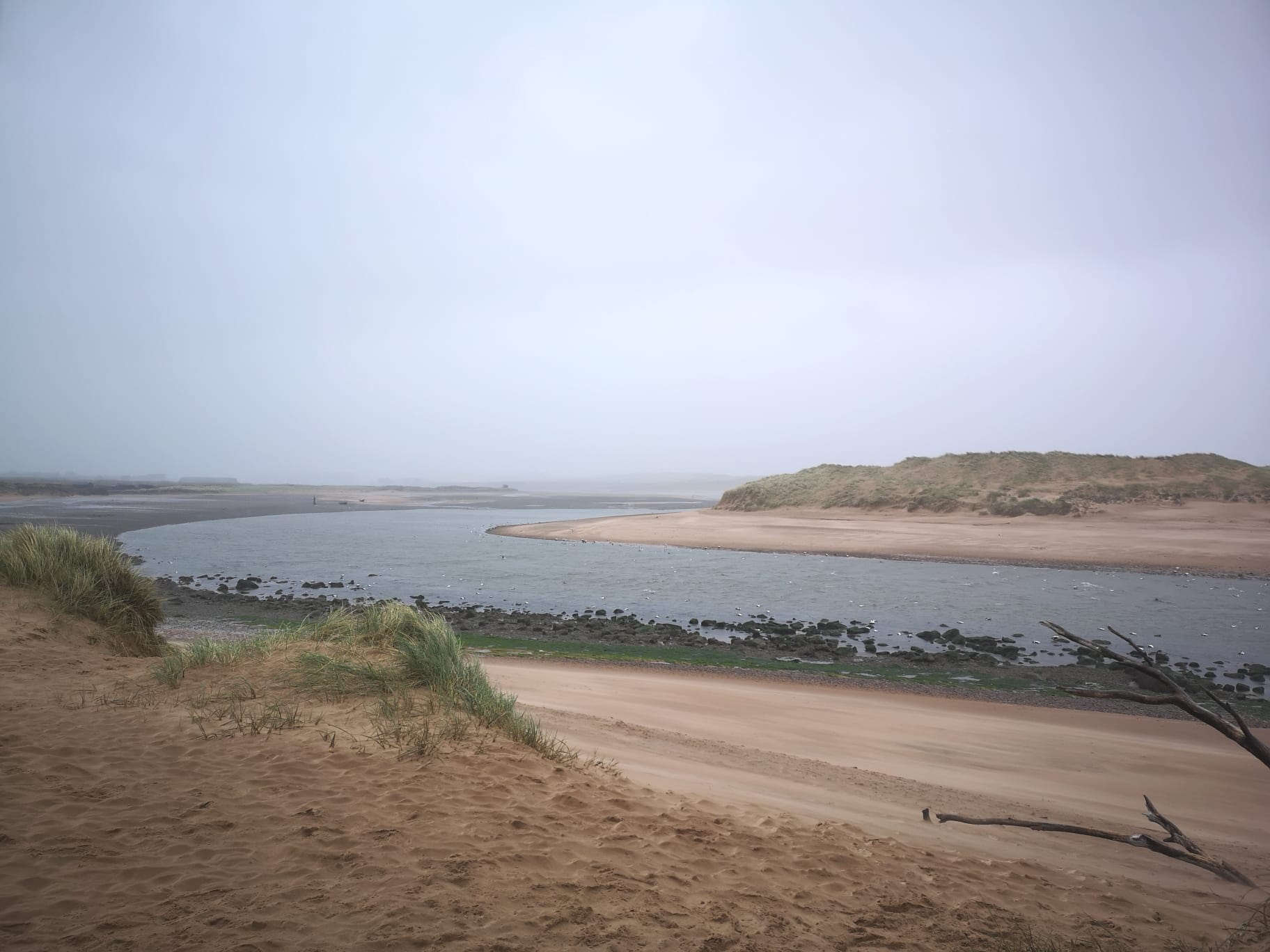 The following day, the anticipated bad weather had closed in, but wrapped up in our waterproofs, we braved the unrelenting rain and travelled to the nearby Ythan Estuary and the Sands of Forvie. The Ythan lies 12 miles north of Aberdeen, and together with the sea and the adjacent Sands of Forvie, is an excellent area for large numbers of wildfowl, waders and terns. At the estuary mouth, hundreds of Eiders were loafing in the beaches and in the river, always wary of the many seals looking for a quick meal. The rain was relentless and rather than being completely soaked, a wise decision was made to retire to a warming café at Cruden Bay to prepare for a contingency plan due to the weather.
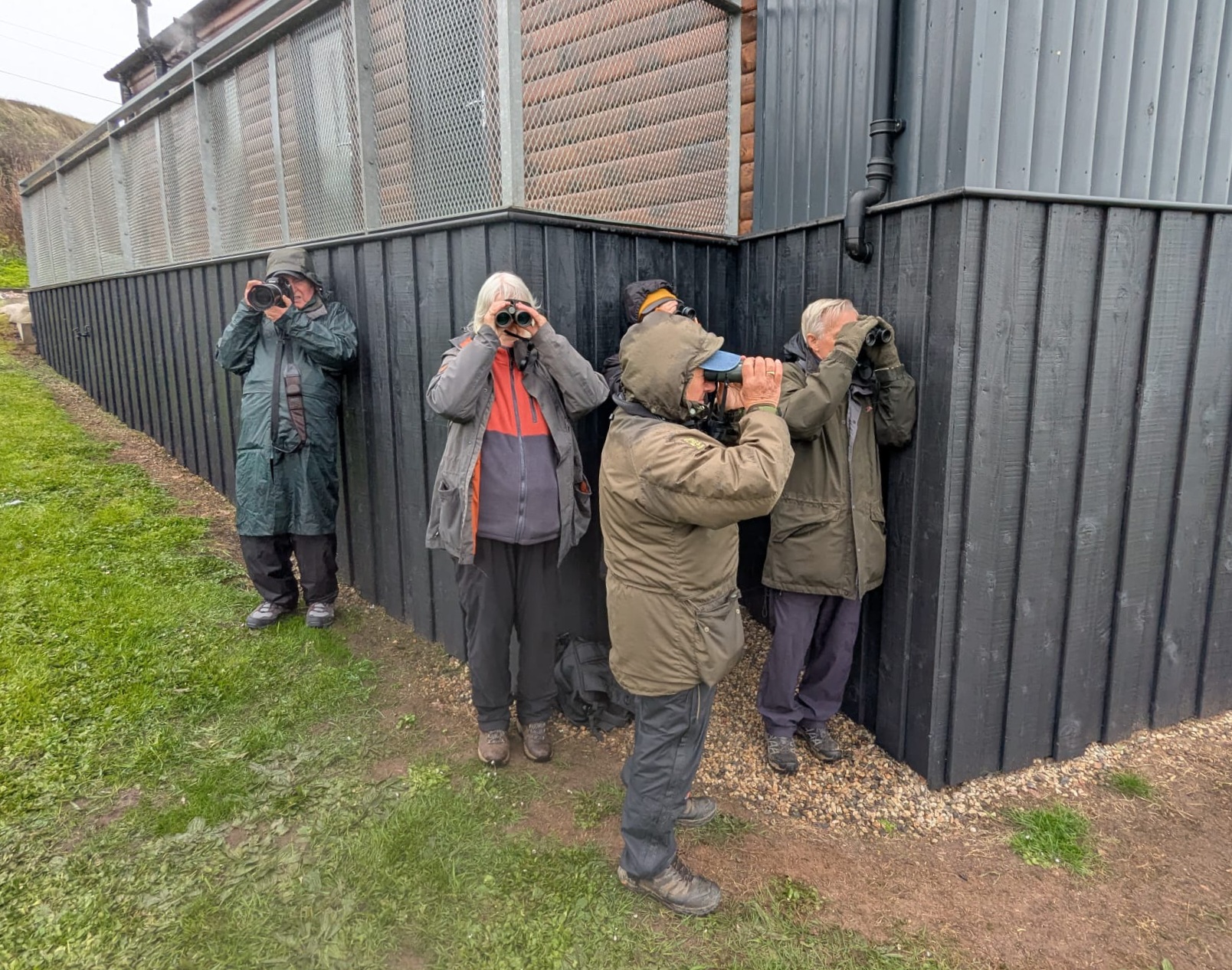 The café had spectacular views over Cruden Bay and although the rain was beating against the windows, we were still able to make out nearby birds on the beach below. Managing to find a sheltered spot on an outside corner of the café, we spotted some excellent birds including a Long-tailed Duck, flocks of Kittiwake, Sanderlings and Purple Sandpipers feeding on the rocks.
Lunch beckoned and we moved further north to a comfortable café in Crimond, which was close to our next birding venue at the Loch of Strathbeg RSPB reserve.
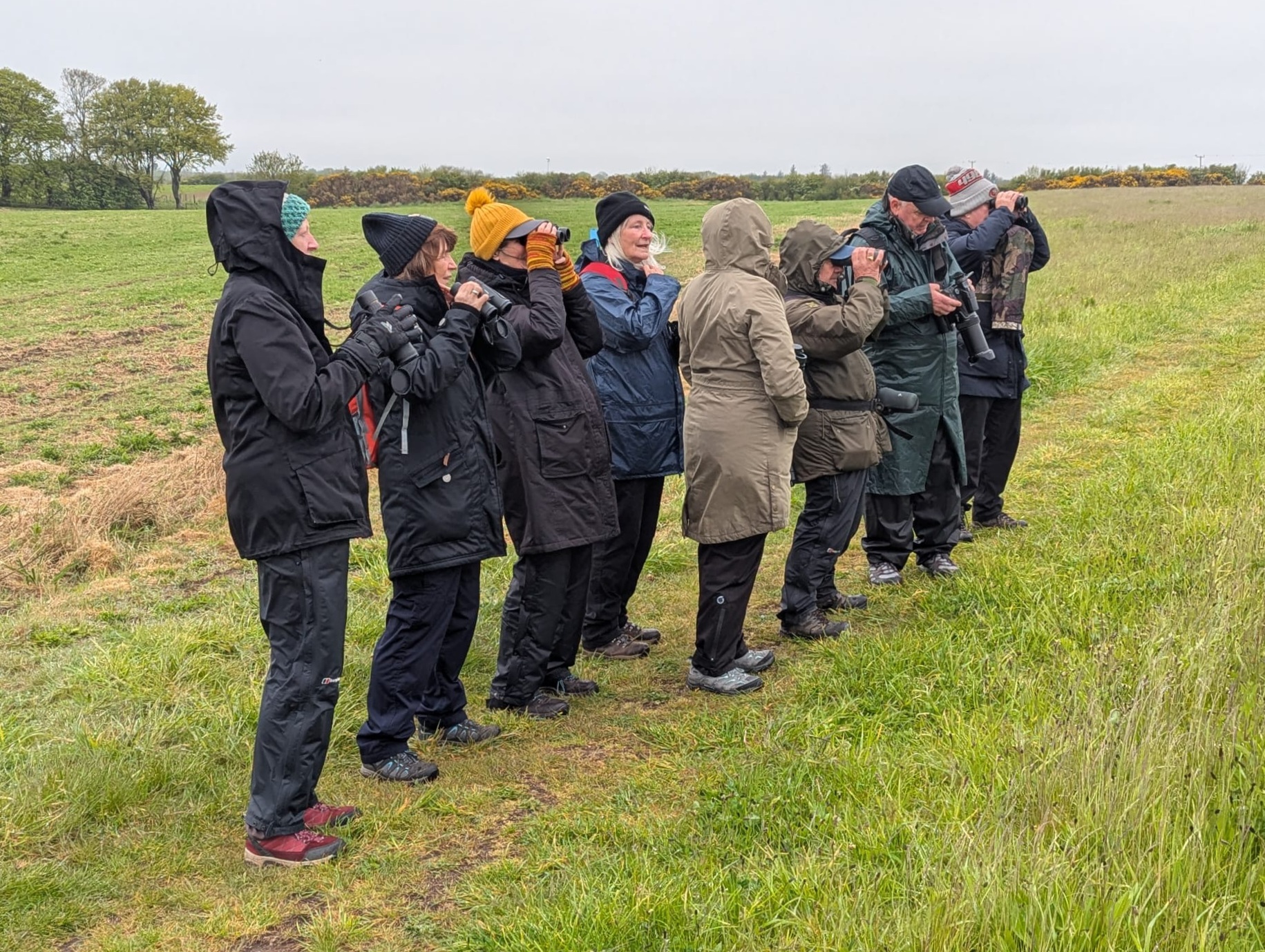 Midway between Fraserburgh and Peterhead, the Loch of Strathbeg is Britain’s largest dune loch and is an internationally important wetland. More than 250 species of birds have been recorded here and it is one of the best birdwatching sites in Scotland. The loch lies just 0.5 miles from the sea and is an excellent stop for passage waders, shorebirds and wildfowl. With the luxury of an excellent visitor centre and hides around the reserve, we reckoned that even if the rain didn’t ease, we could still bird watch in relative comfort. From the visitor centre, Great and Little Egrets were easily spotted including Spoonbills, a colony of nesting Black-headed Gulls, Black-tailed Godwits, a male Ruff in full spectacular plumage, various ducks and a Yellowhammer in fine voice. The “icing on the cake” was when 4 Common Cranes flew in from the direction of the sea towards us while we were sitting in one of the hides. Lots of excitement and “wows” enthused and everyone had smiles on their faces. What was an unpleasant start to the day with torrential rain ended with a dry afternoon with some great birds. We then returned to our hotel for a nice dinner, still talking about the fabulous birds we’d spotted.
The following morning, we woke to a pleasant day. We had only covered a proportion of the Loch of Strathbeg reserve, so as we were passing it on our way north to Visit Troup Head, which holds Scotland’s only mainland Gannet colony, we called into the reserve again. The visitor centre was our first stop where once again the Egrets and Spoonbills provided good views. In dry conditions and in better light we had ample opportunity to appreciate what the reserve offered. The colony of Tree Sparrows were busy catching the abundant flies to feed their hungry nestlings in the centre’s nest boxes. On the loch itself, we spotted a mix of Whooper and Mute Swans and unusually a Black Swan. We deduced that this bird hadn’t flown from Australia, but was an escapee from a wildfowl collection, not to be added to our tally of sightings for the day. Reed Buntings and Sedge Warblers were again singing near to the hides.
Lunch-time beckoned so we then travelled further north to a café in Fraserburgh for a welcome stop. By early afternoon, ominous black clouds began to role in, but we made a unanimous decision to don waterproofs and head to Troup Head. As well as a large Gannet colony, this RSPB reserve holds breeding Fulmars, Common Guillemots, Razorbills, Cormorants, Shags, Kittiwakes, Herring Gulls, and a small population of Puffins. We didn’t see any Puffins when we were there, but did manage to spot a Great Skua when it had predated a Kittiwake. This area also proved to be particularly good for Yellowhammers as at least 4 singing males were spotted on the paths at the top of the cliffs. By late afternoon, the intermittent heavy showers were relentless.
 We then journeyed back, via Kinnaird Head, to our hotel in Ellon, pleased with our bird sightings of the day.
On our last morning, we returned to the Ythan Estuary and the Sands of Forvie. The weather was decidedly better than on our previous visit and we endeavoured to spy the male King Eider which is an almost annual visitor to the area and associates with the hundreds of Eiders. We didn’t see a King Eider, but were successful in that brief time spotting four species of Terns – Sandwich, Common, Arctic and Little.
Travelling homeward we stopped at Montrose for lunch and then made a visit to the Scottish Wildlife Trust Reserve at the Montrose Basin. The tide was well out, but we still managed views of Bar-tailed Godwits, Knots and an Osprey flying over the bay. The journey home continued and we managed to catch the 19:05 ferry. It was an eventful, rewarding trip. Good birds, good accommodation and good company and recorded an excellent count of 103 species.
Roll on the next trip !
A selection of bird photographs taken on the trip and a list of the 103 species seen follows.
Ray Eddie – trip leader.
Ythan Estuary
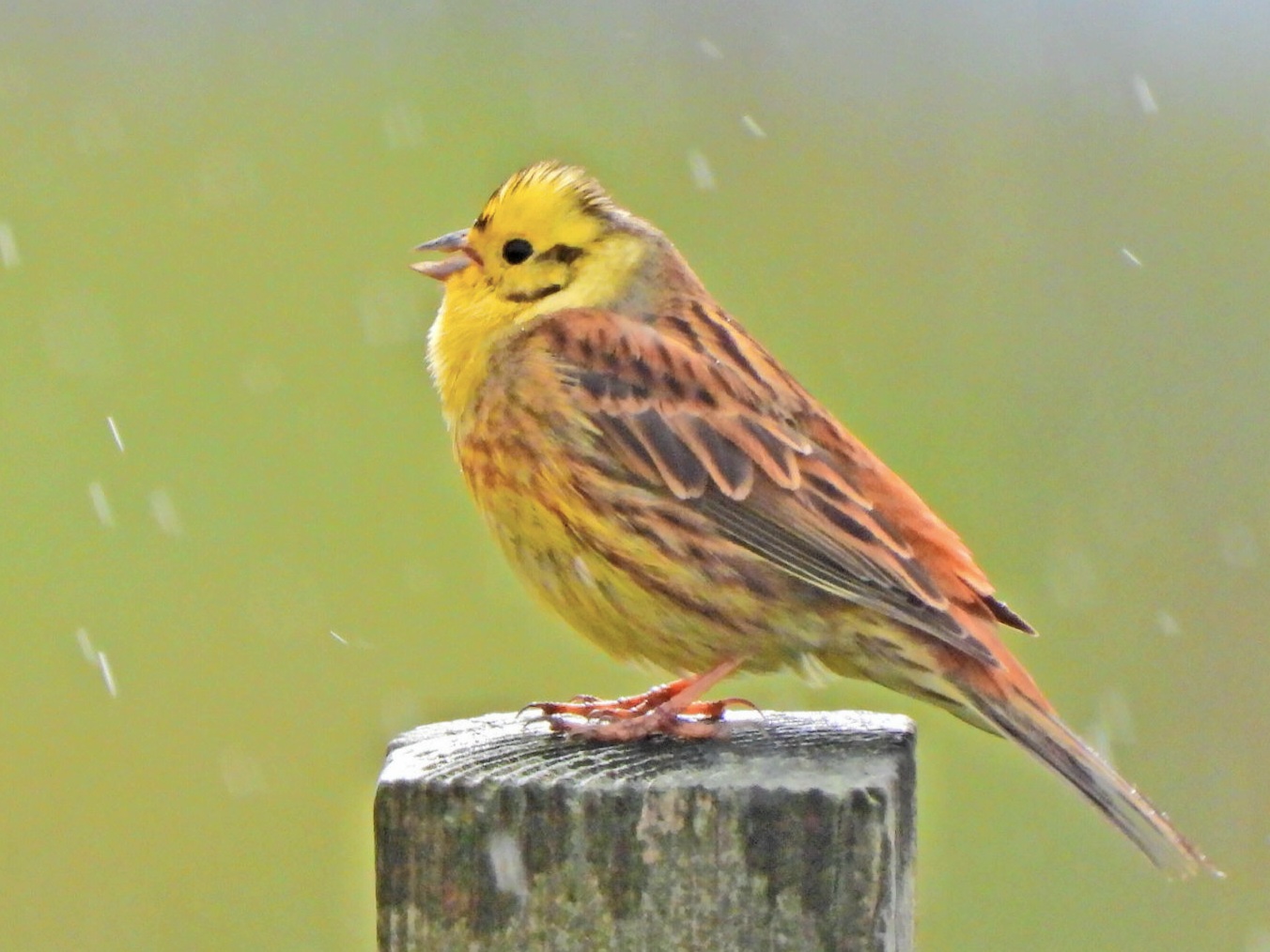
Yellowhammer – Troup Head
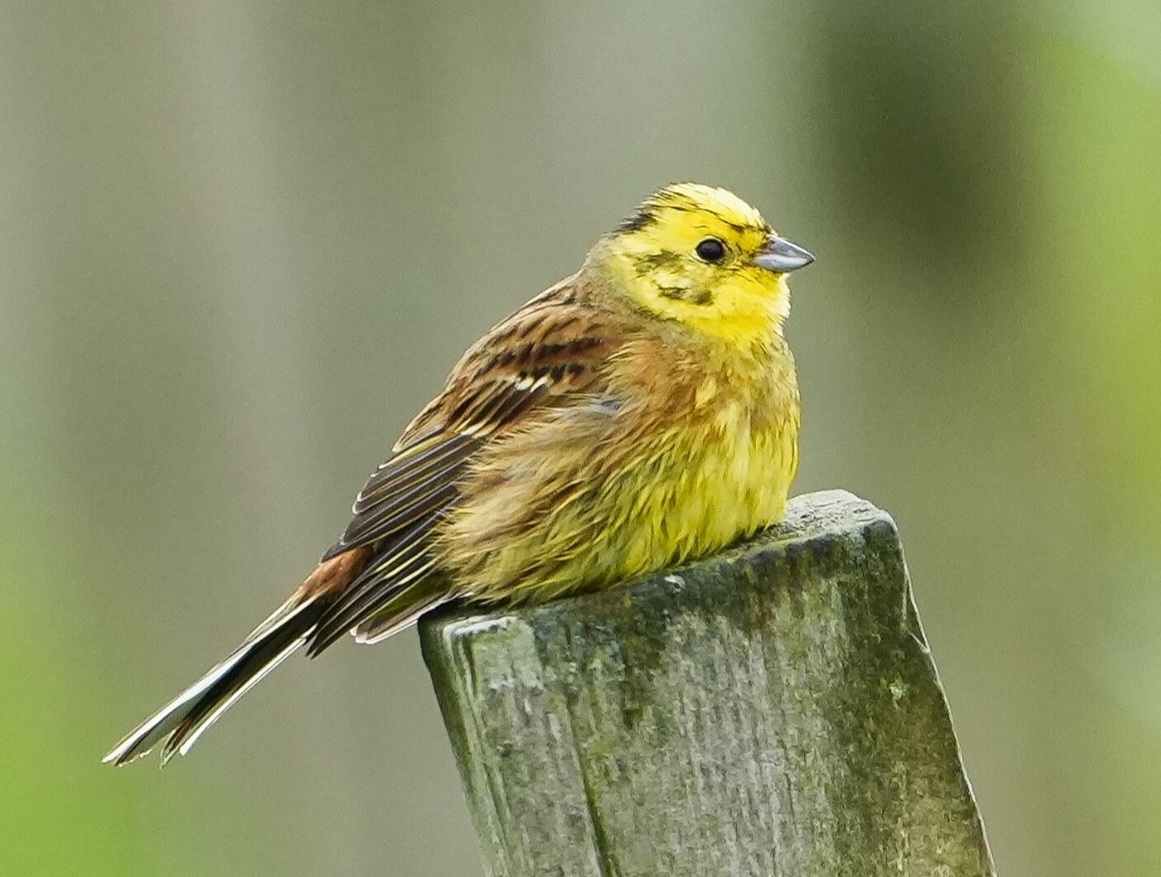
Yellowhammer – Troup Head
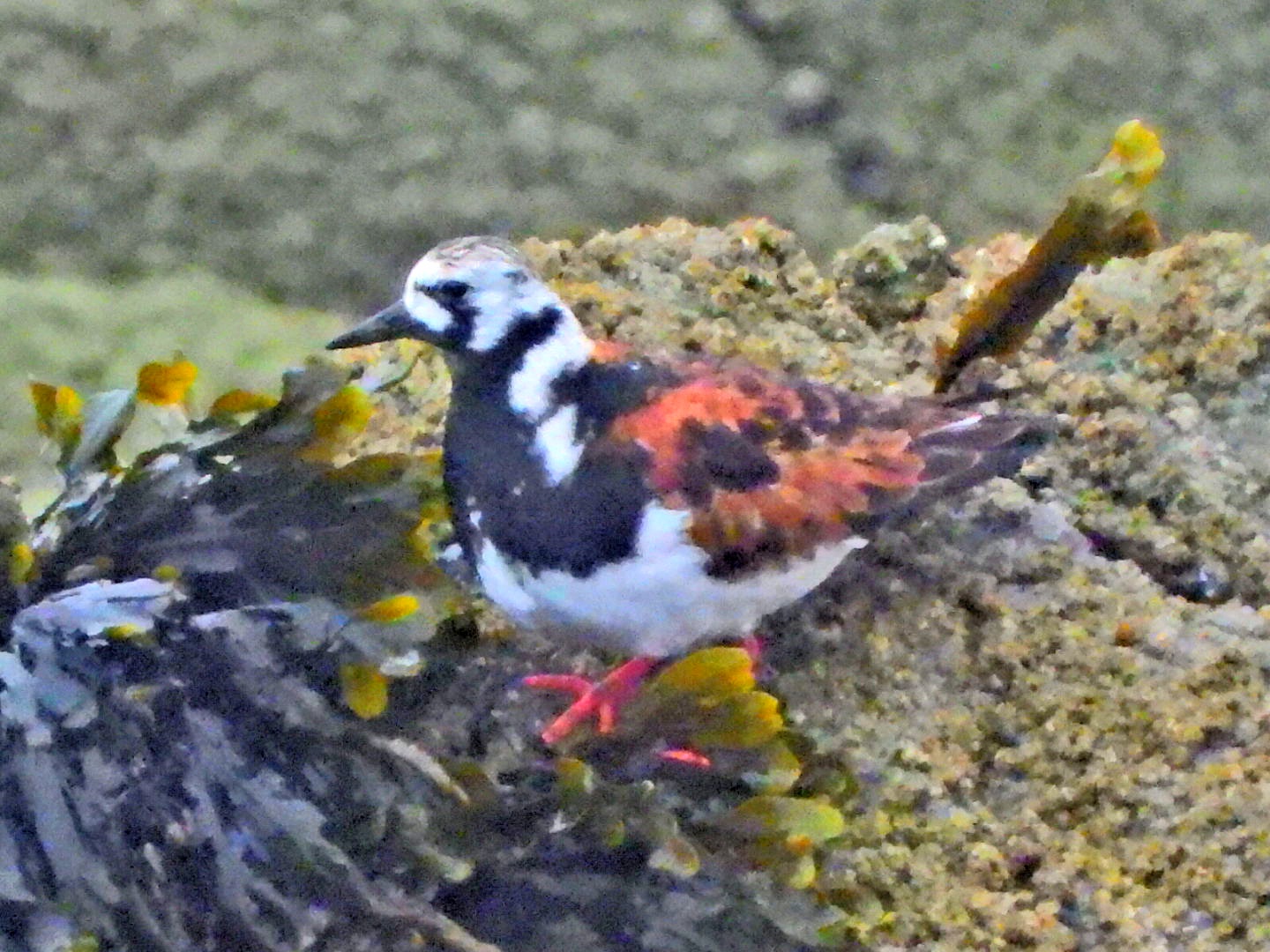
Turnstone – Cruden Bay
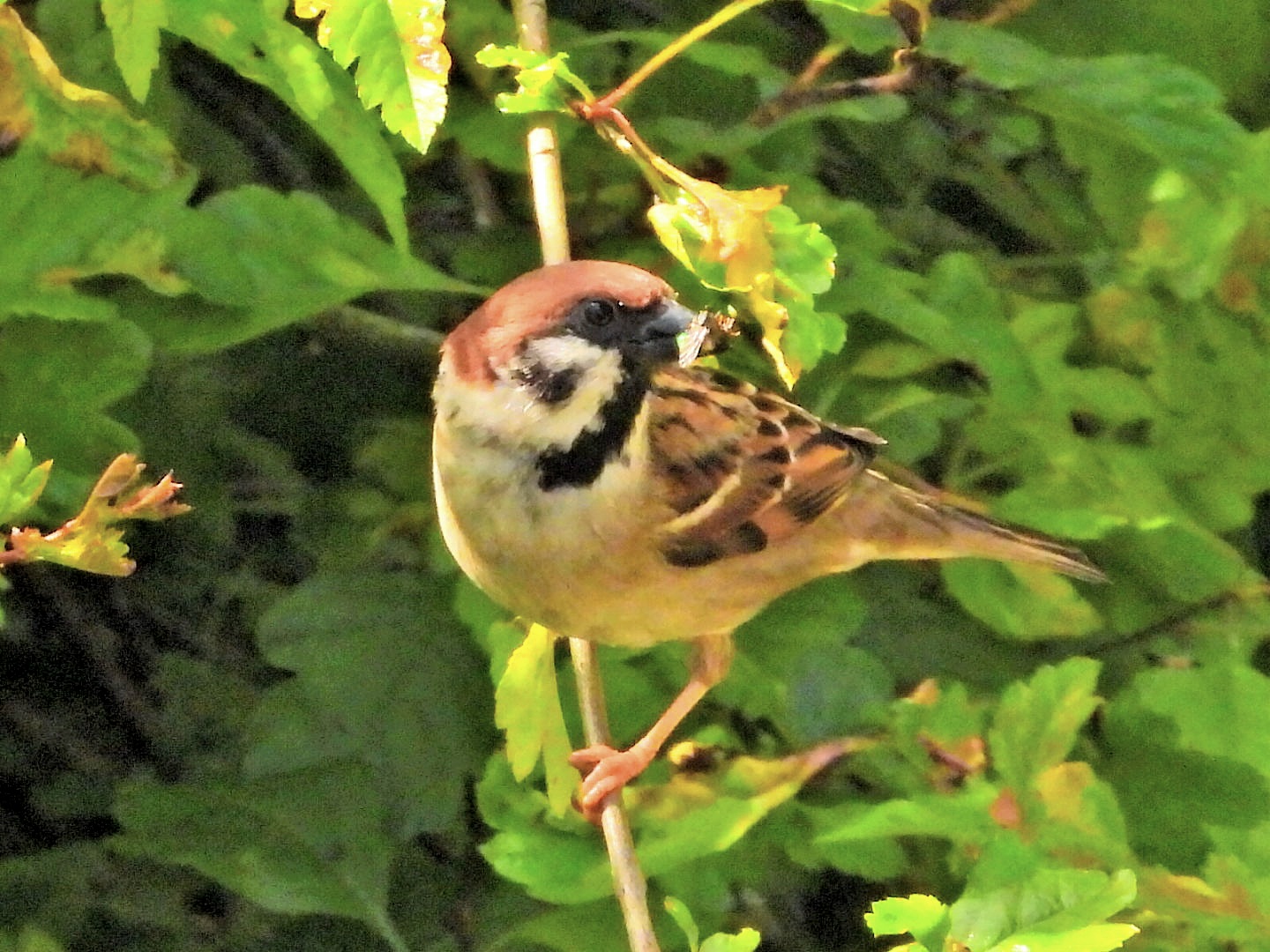
Tree Sparrow – Loch of Strathbeg
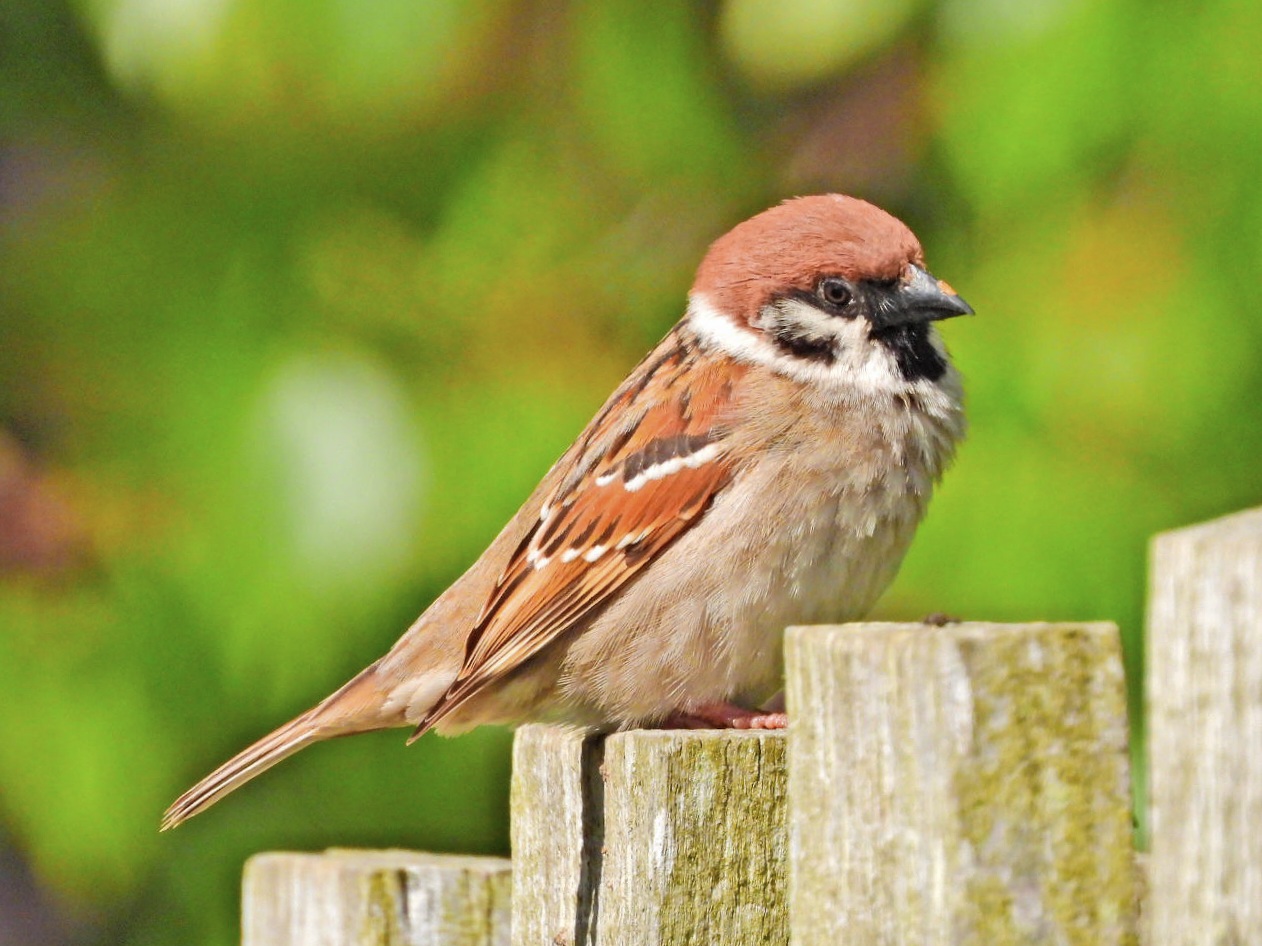
Tree Sparrow – Loch of Strathbeg
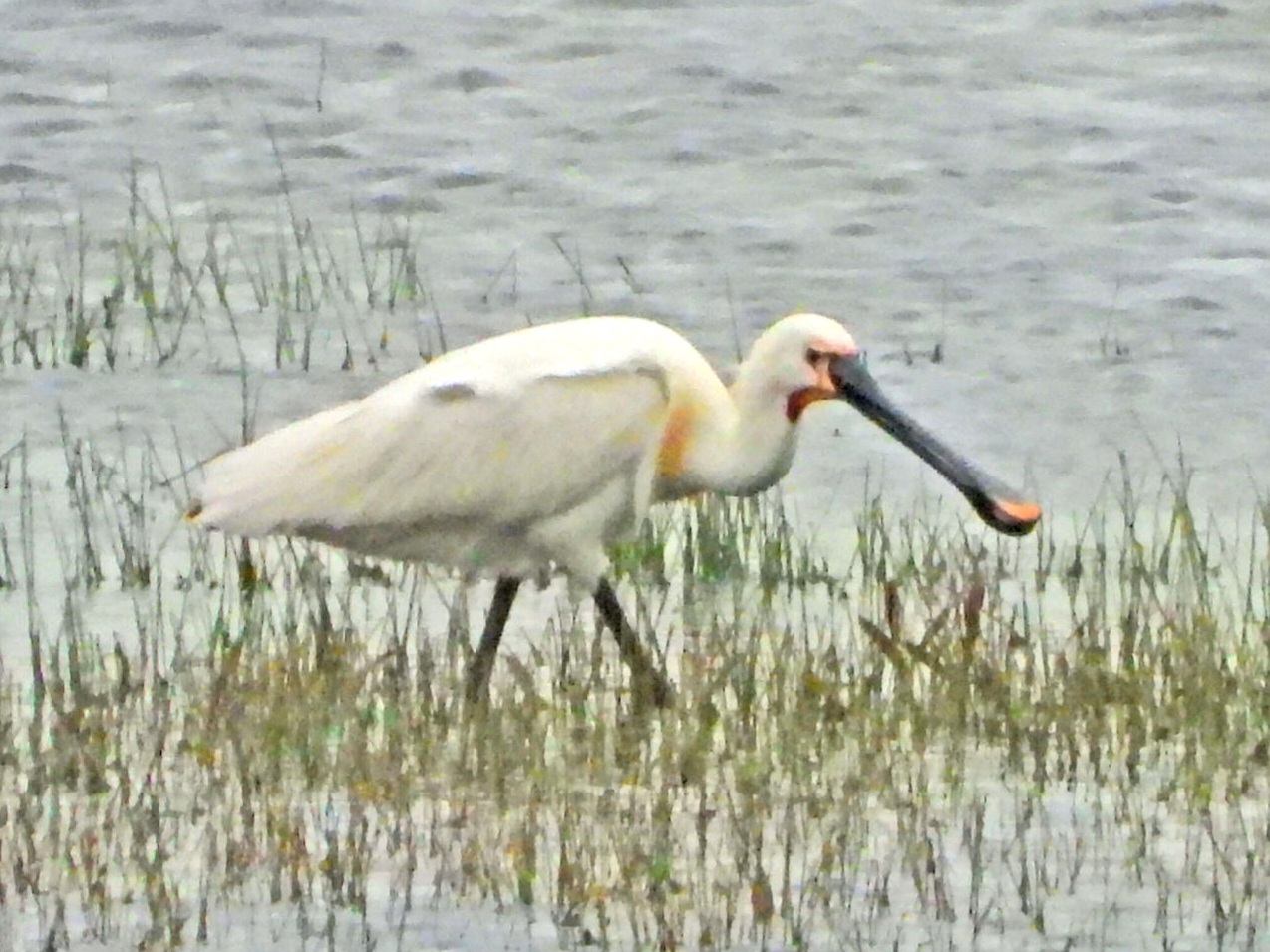
Spoonbill – Loch of Strathbeg

Shoveler – Loch of Kinnordy
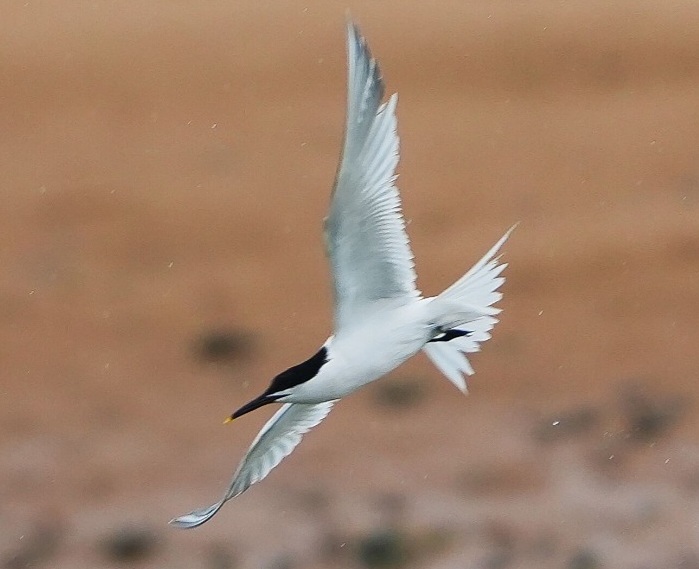
Sandwich Tern – Ythan Estuary
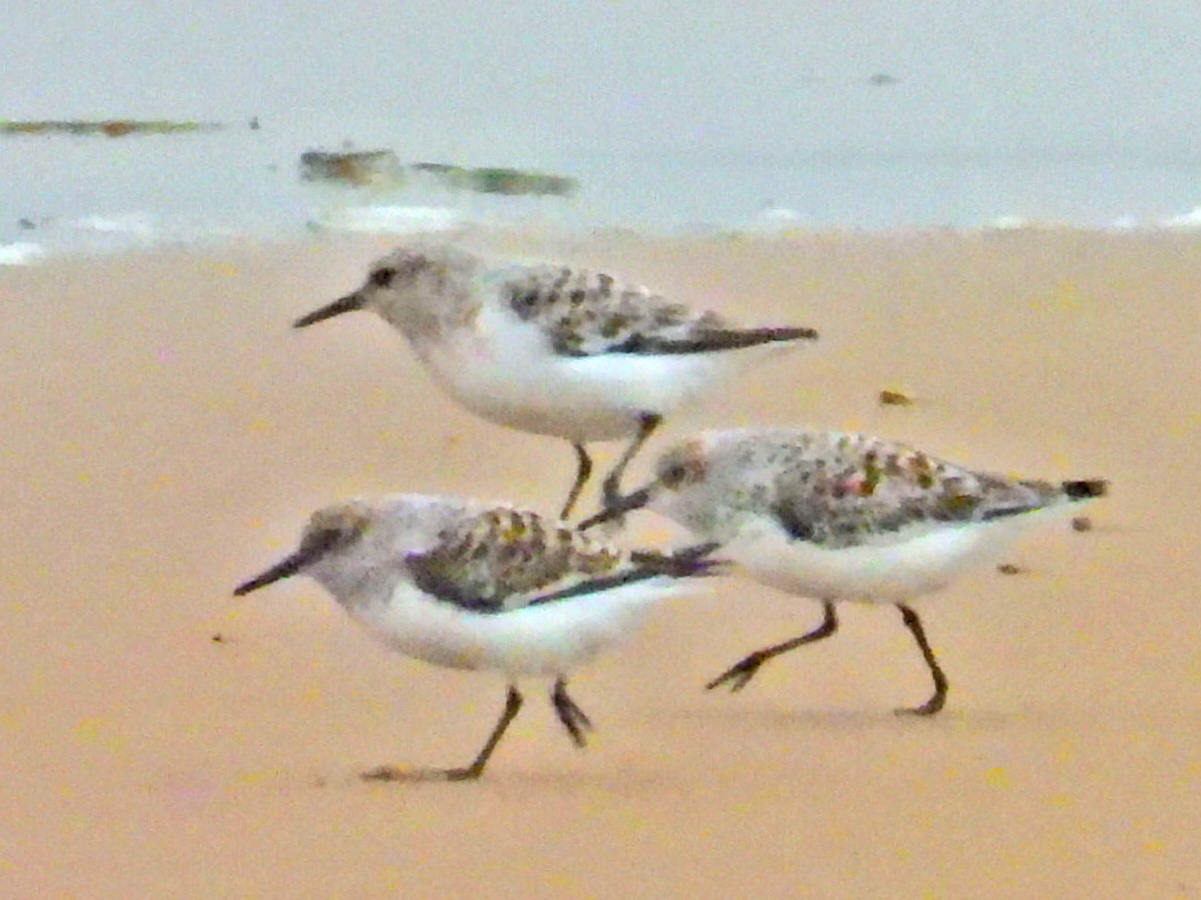
Sanderling – Cruden Bay
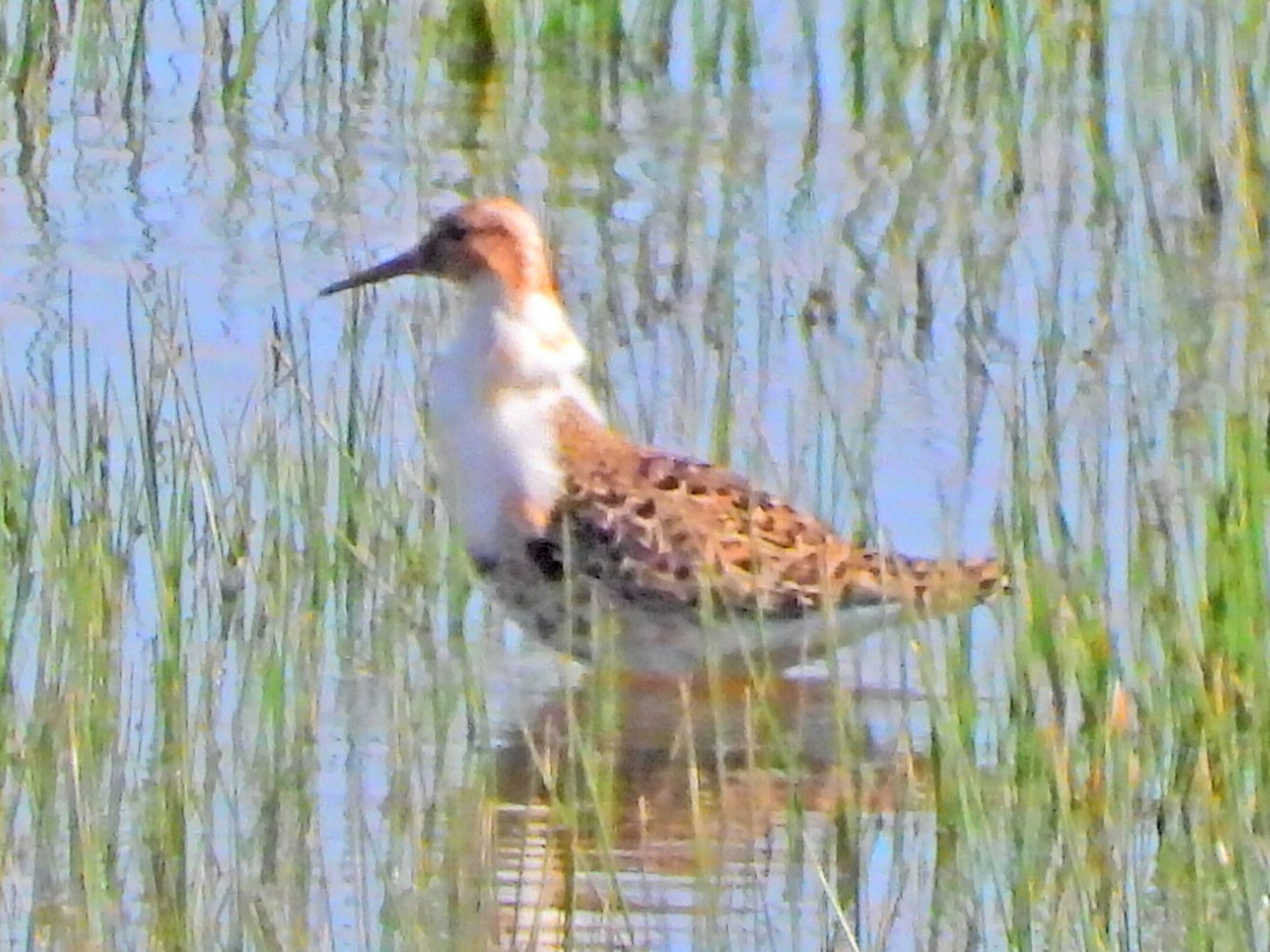
Ruff (m) – Loch of Strathbeg
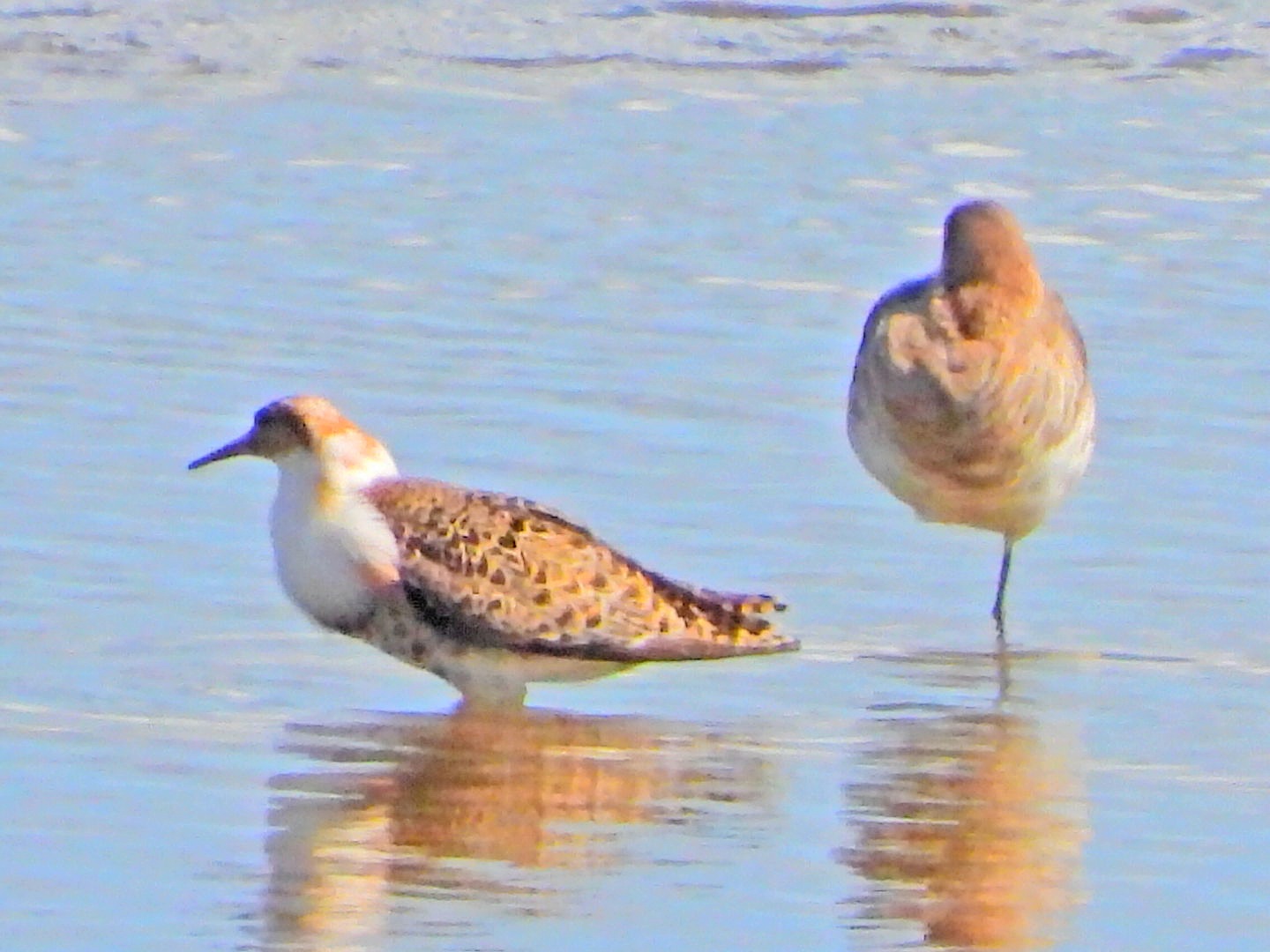
Ruff (m) and Black-tailed Godwit – Loch of Strathbeg
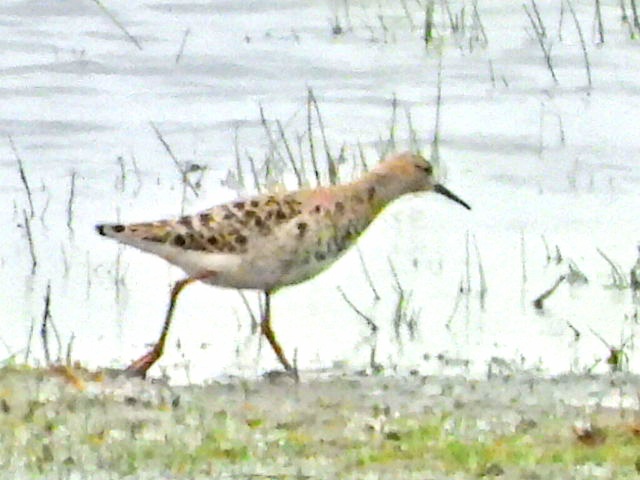
Ruff (f) – Loch of Strathbeg
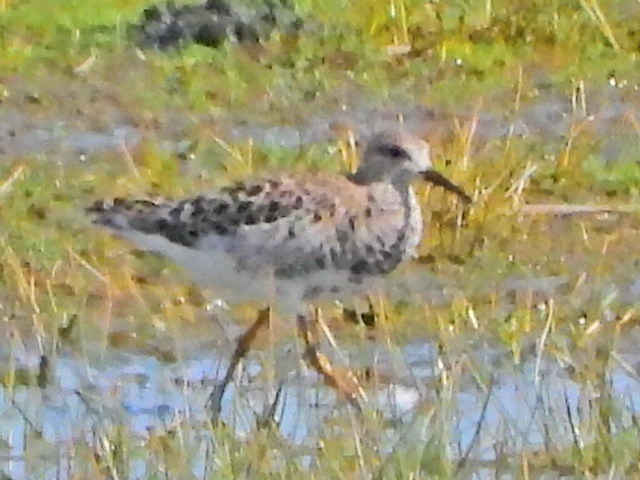
Ruff (f) – Loch of Strathbeg
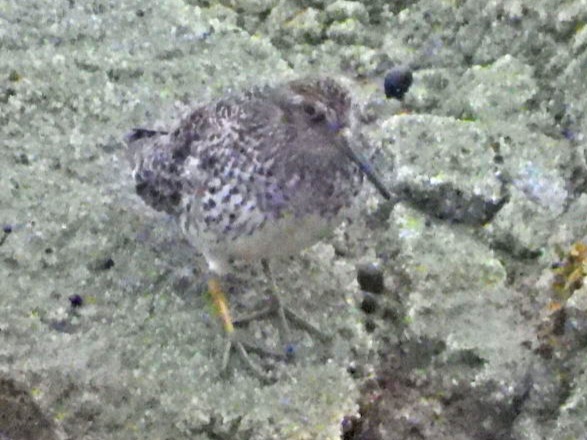
Purple Sandpiper – Cruden Bay
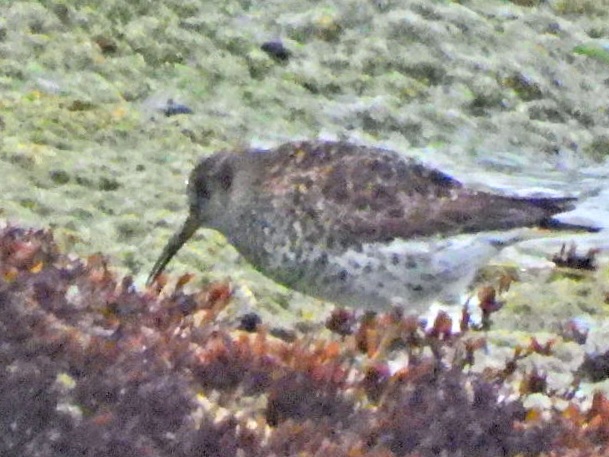
Purple Sandpiper – Cruden Bay
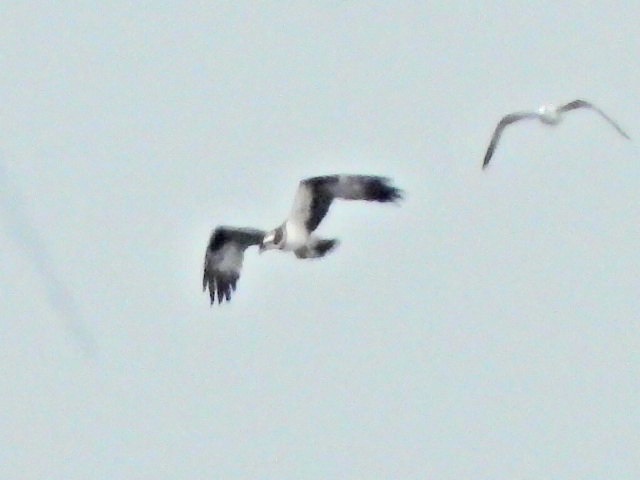
Osprey – Montrose Basin
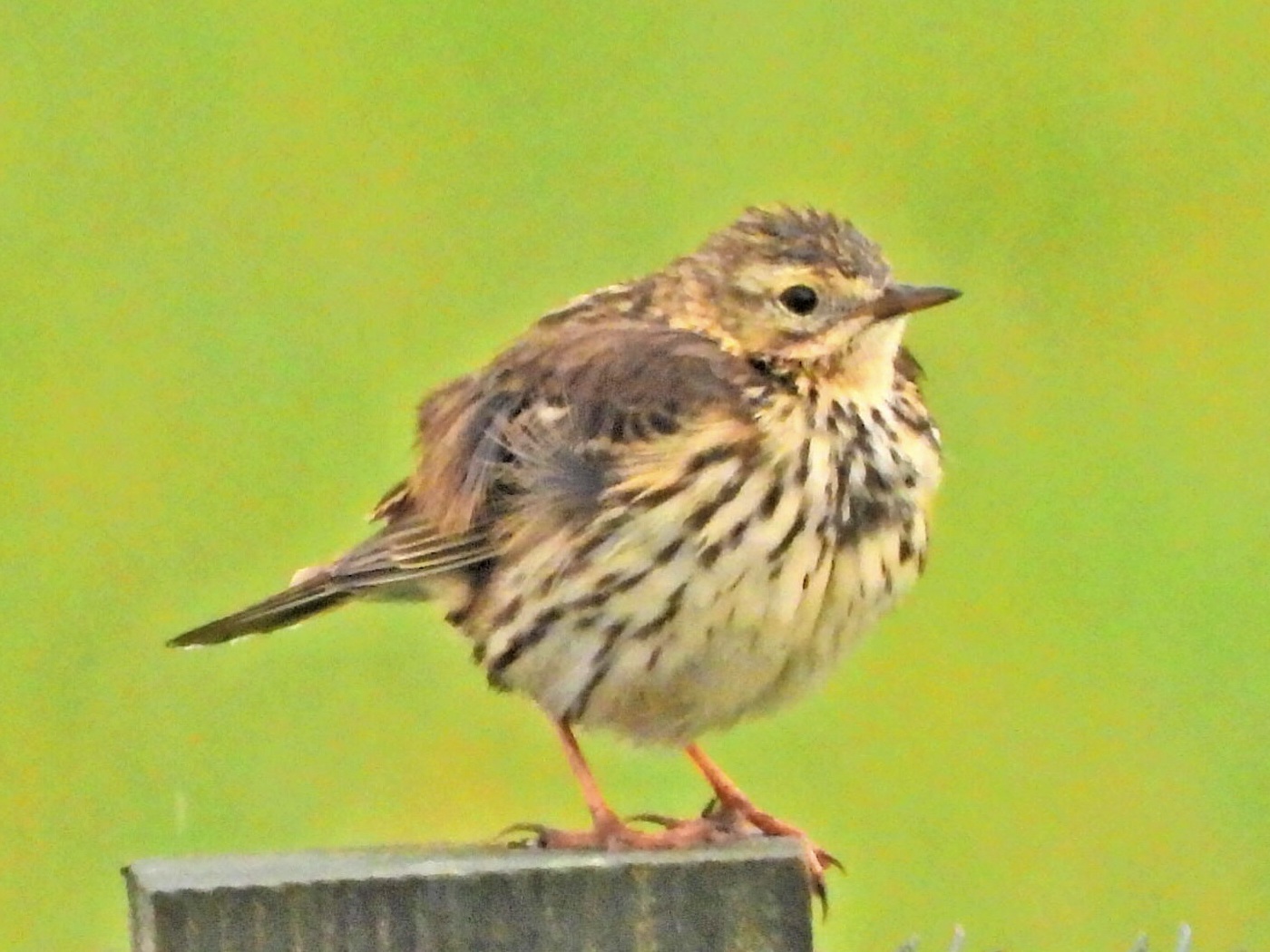
Meadow pipit – Troup Head
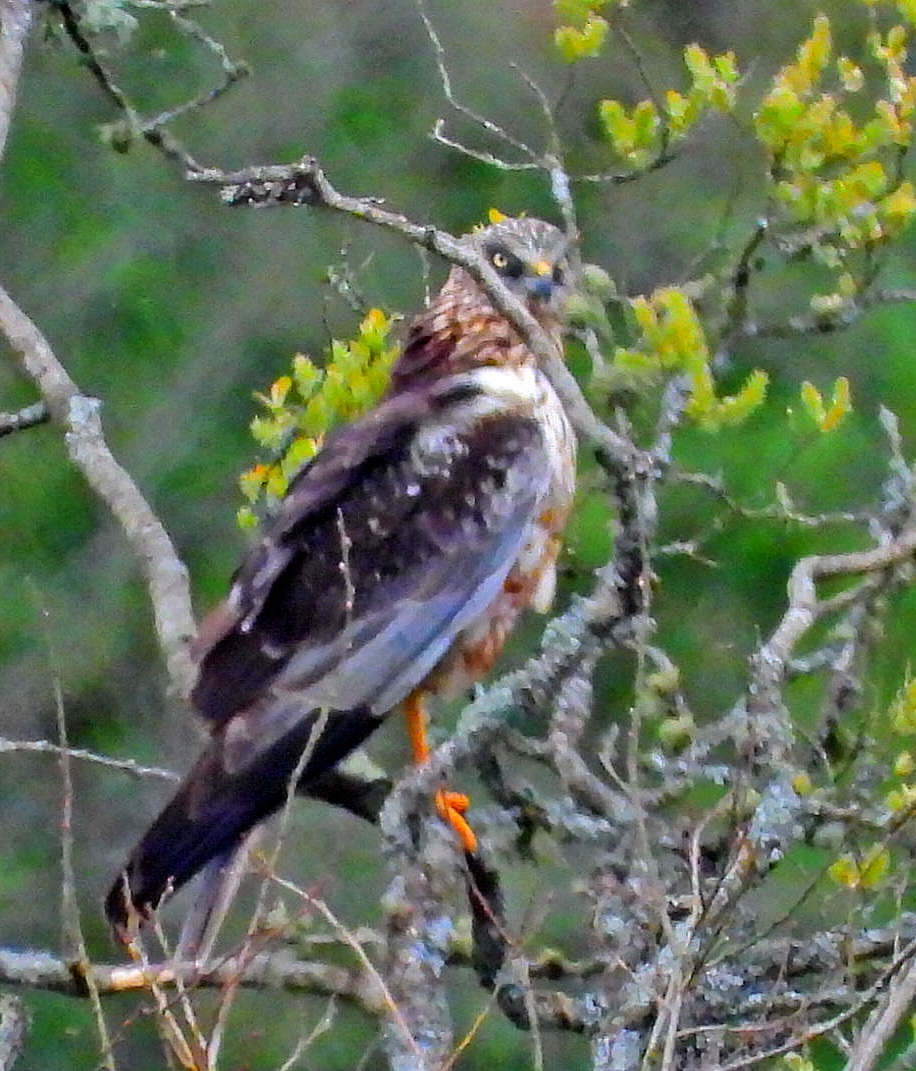
Male Marsh Harrier – Loch of Kinnordy
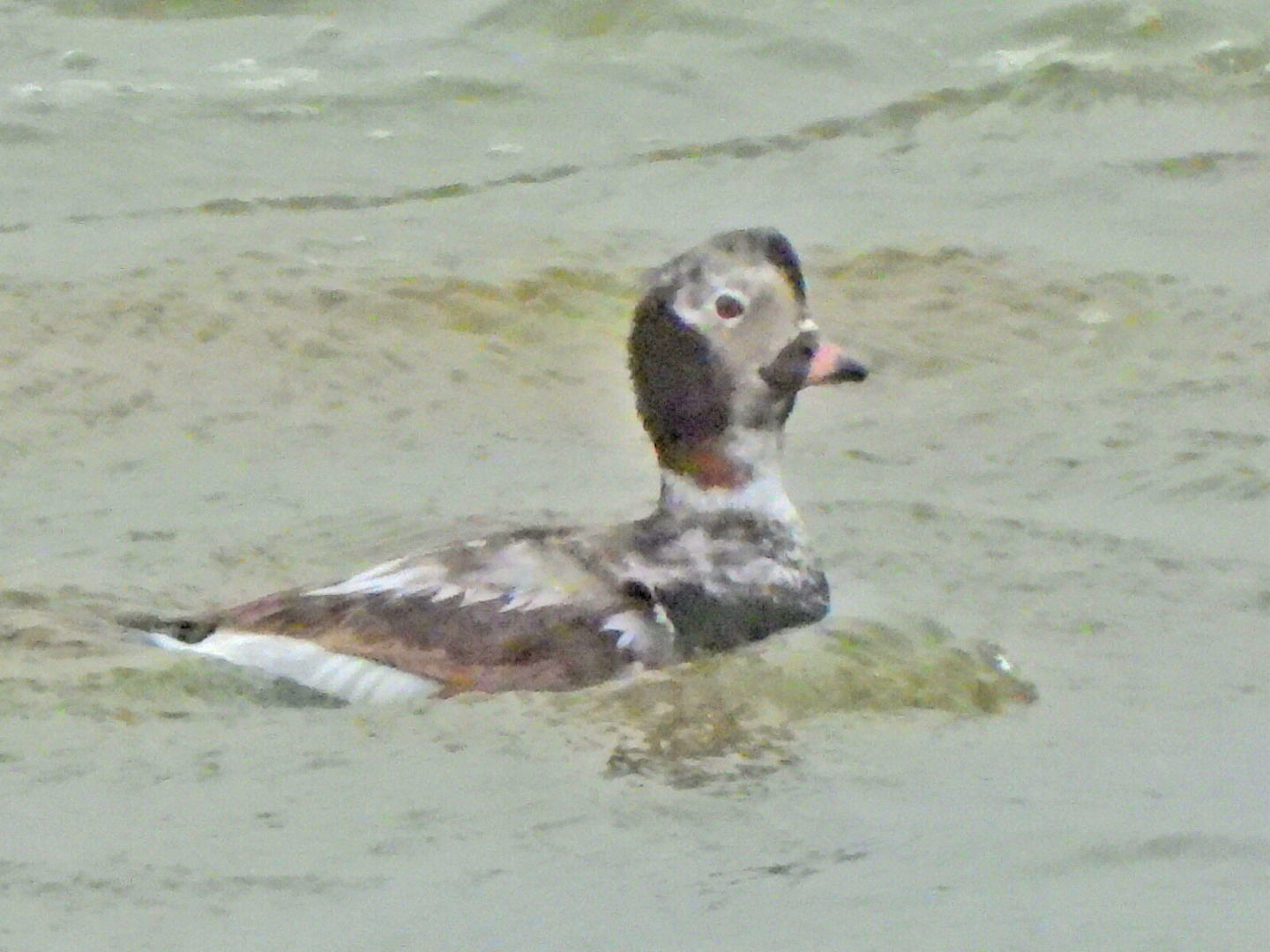
Long-tailed Duck – Cruden Bay
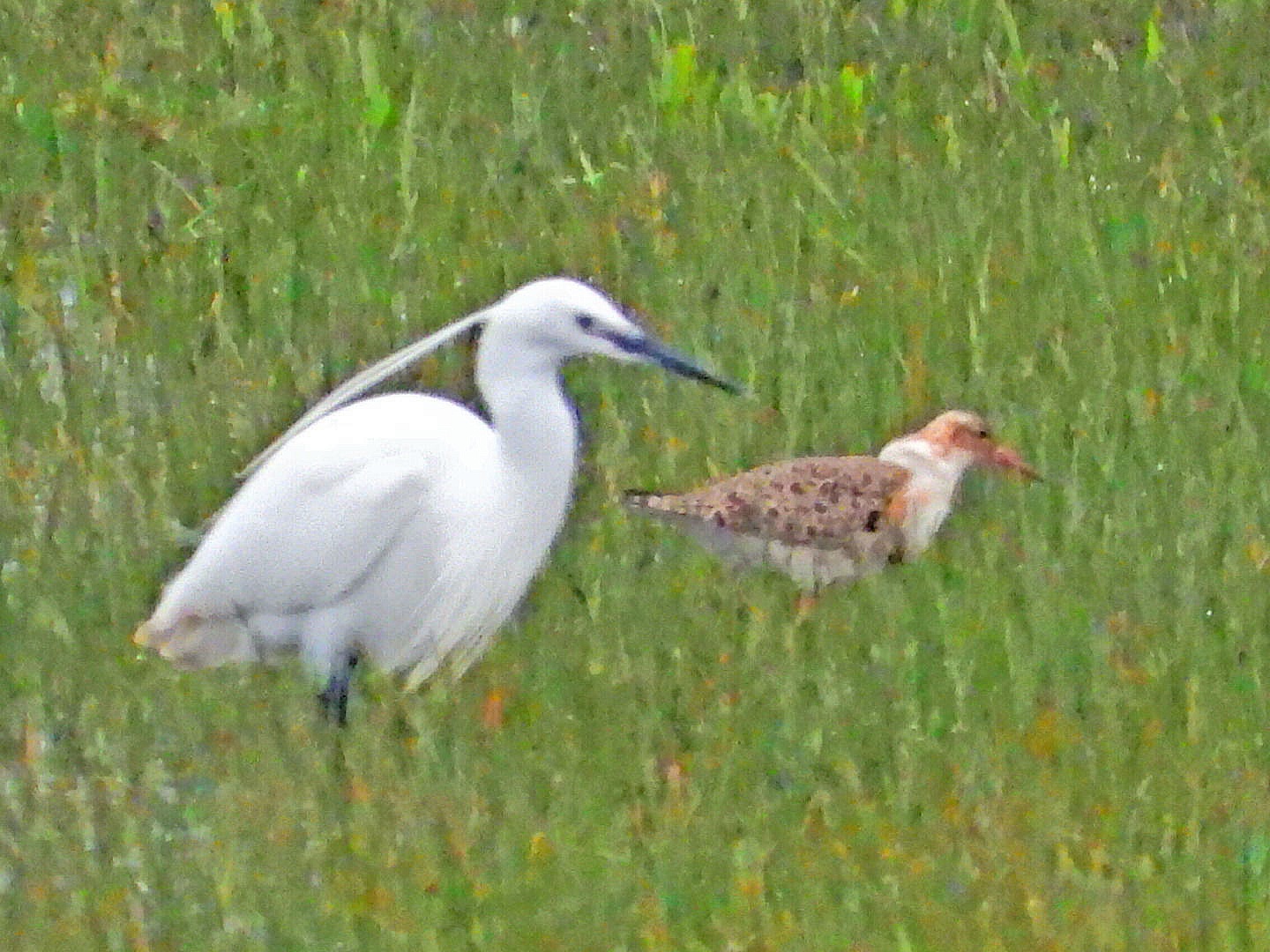
Little Egret and male Ruff – Loch of Strathbeg
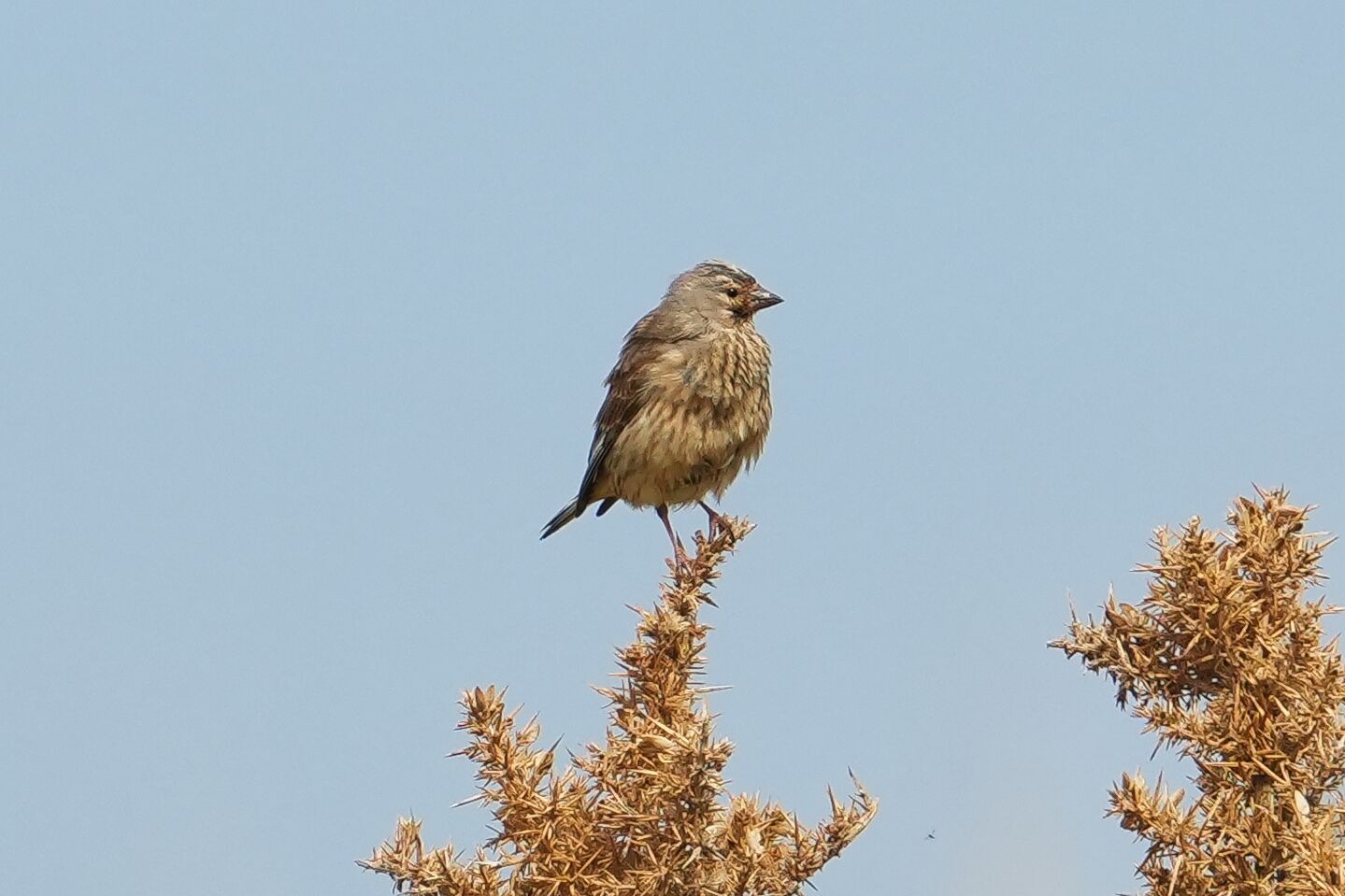
Linnet (f)
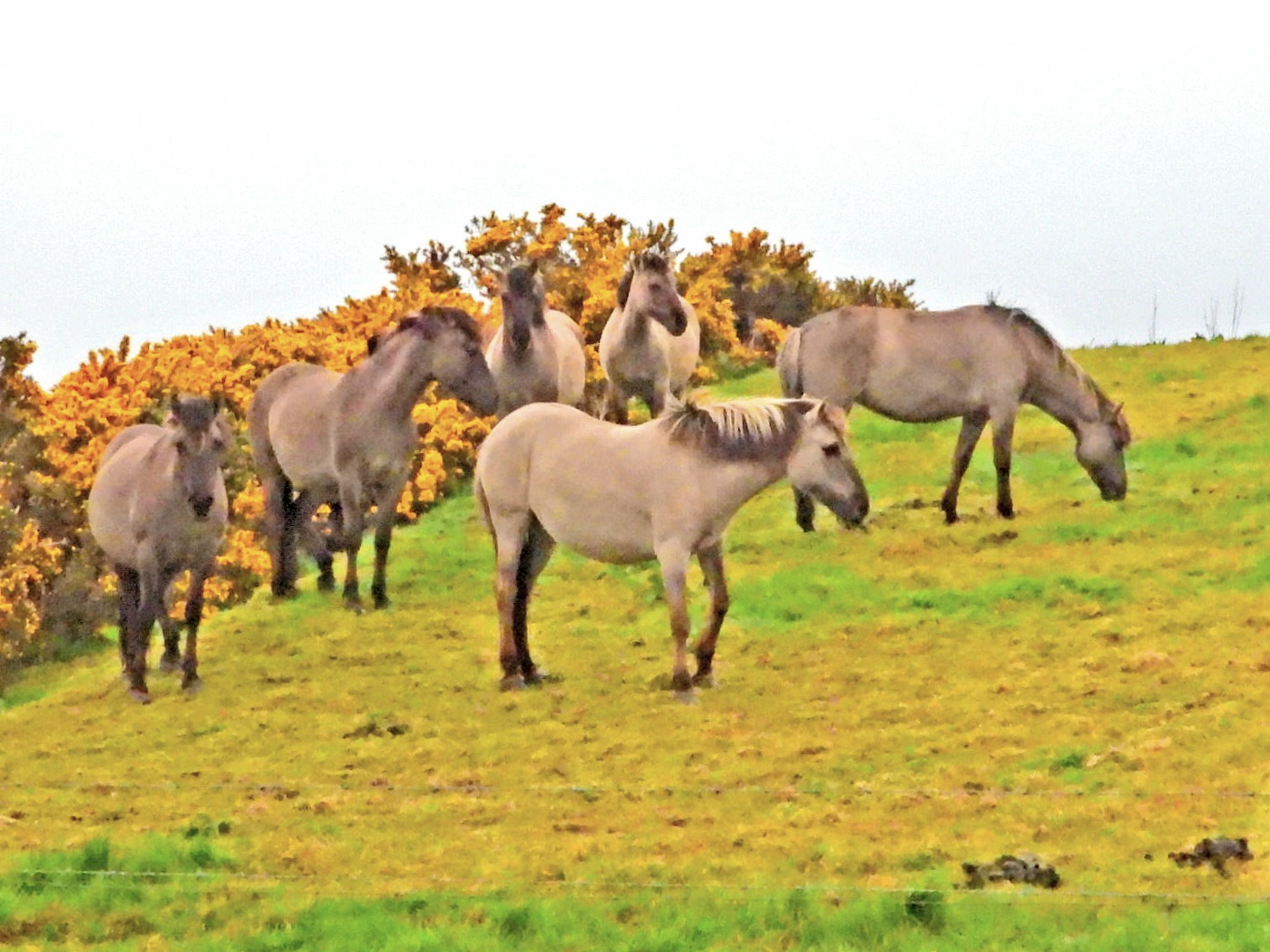
Konik ponies- Loch of Strathbeg
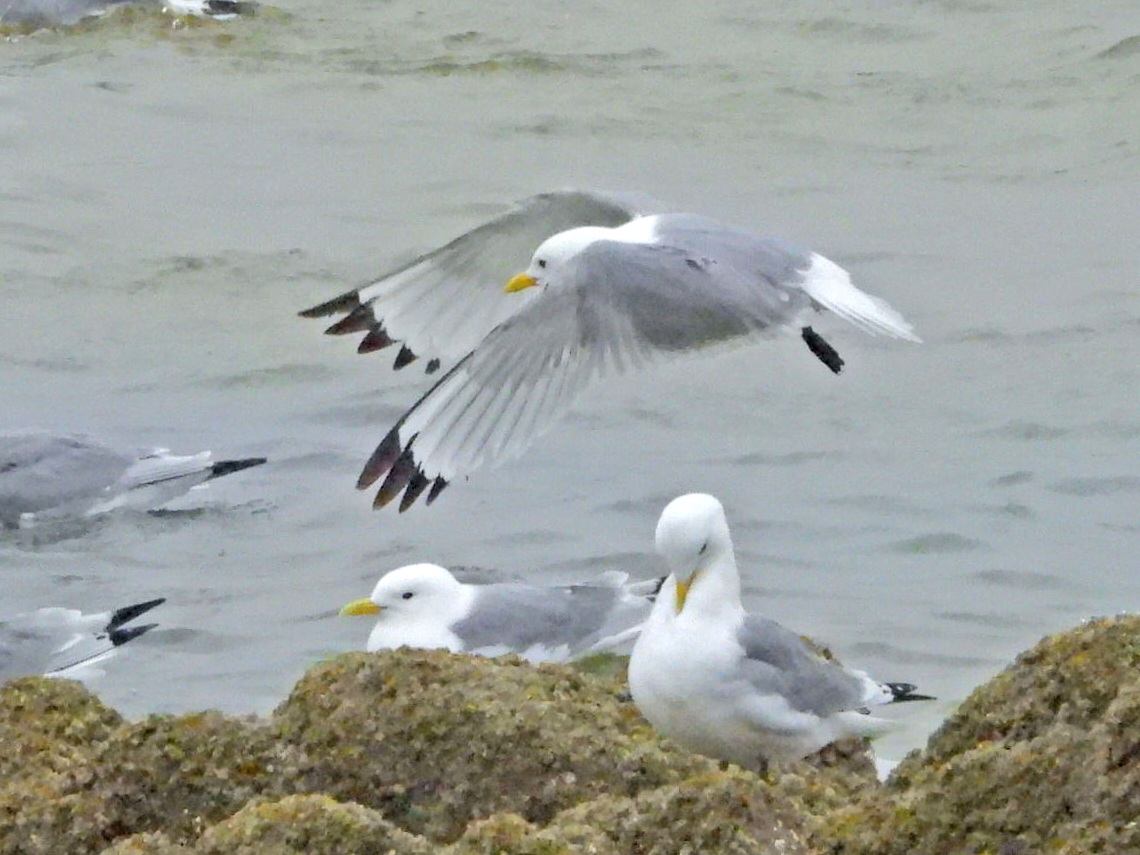
Kittiwake – Troup Head
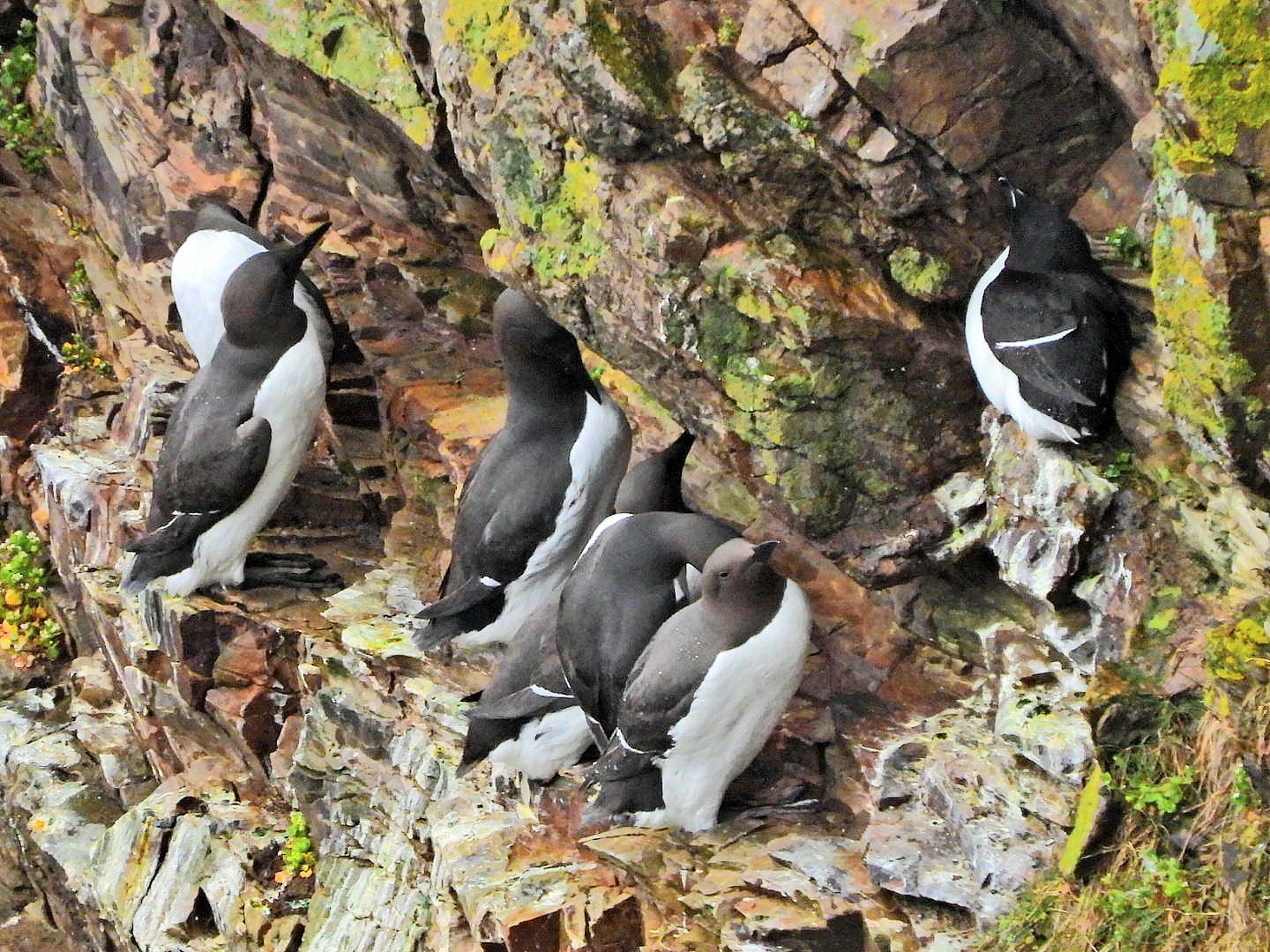
Guillemots and a Razorbill – Troup Head
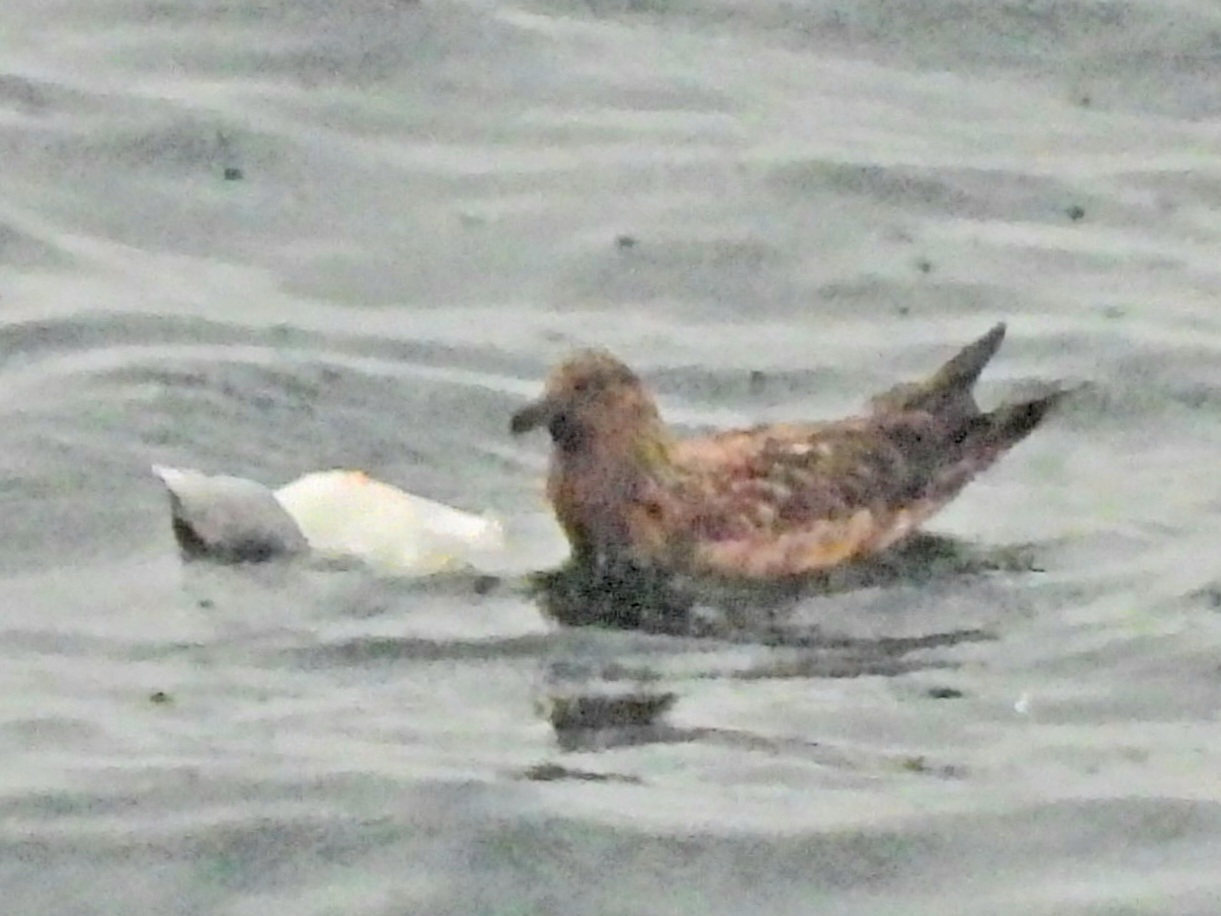
Great Skua – Troup Head
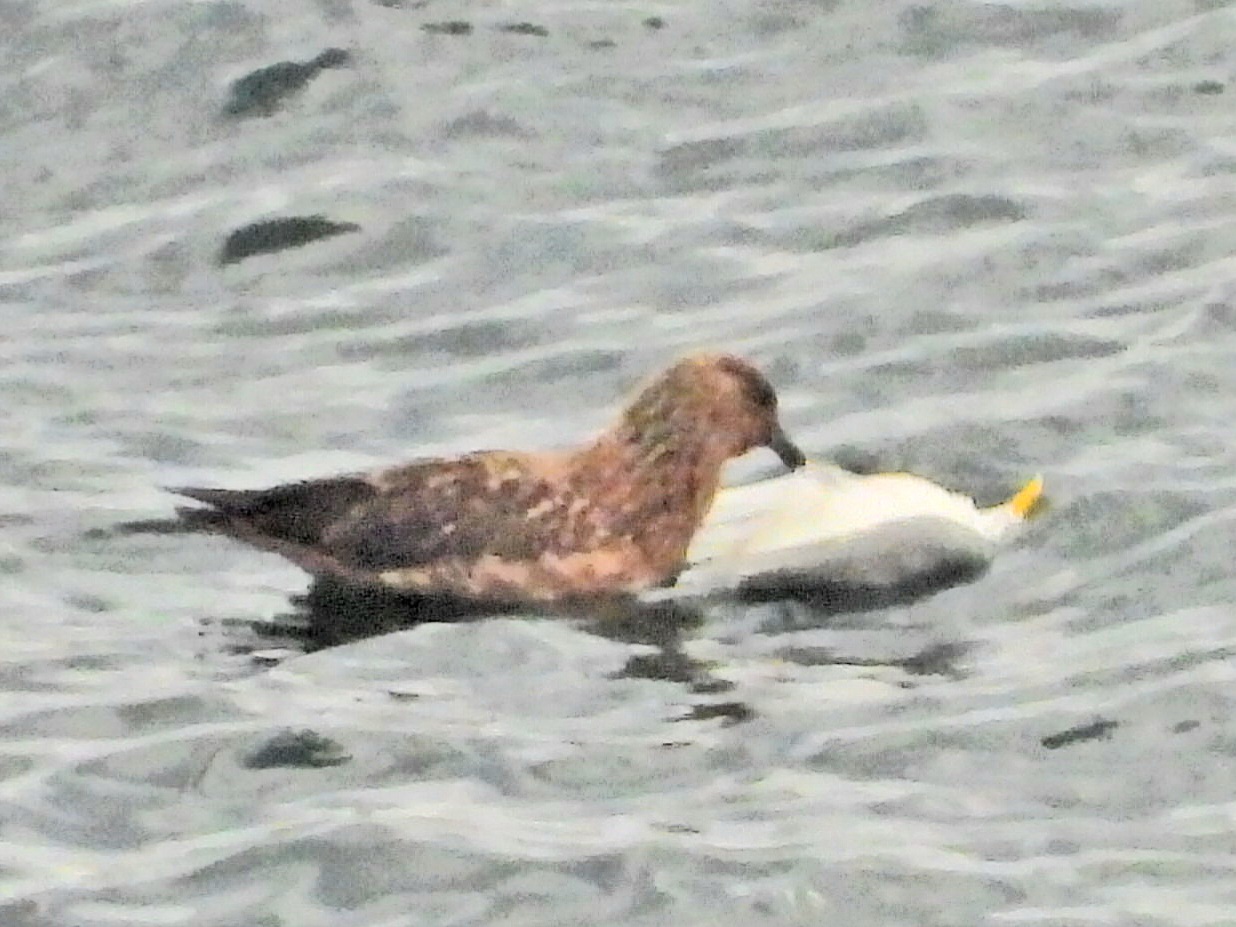
Great Skua – Troup Head
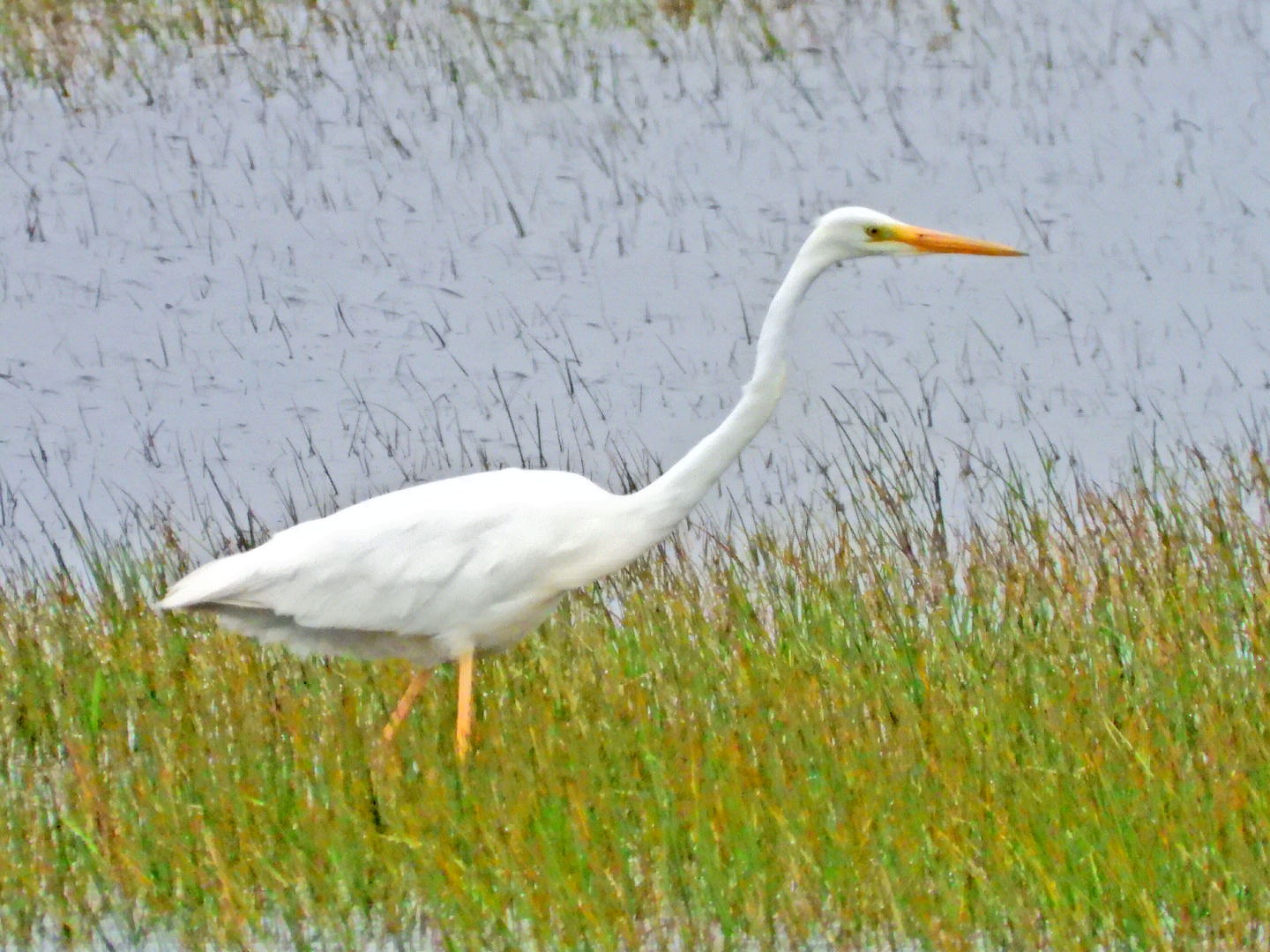
Great Egret – Loch of Strathbeg
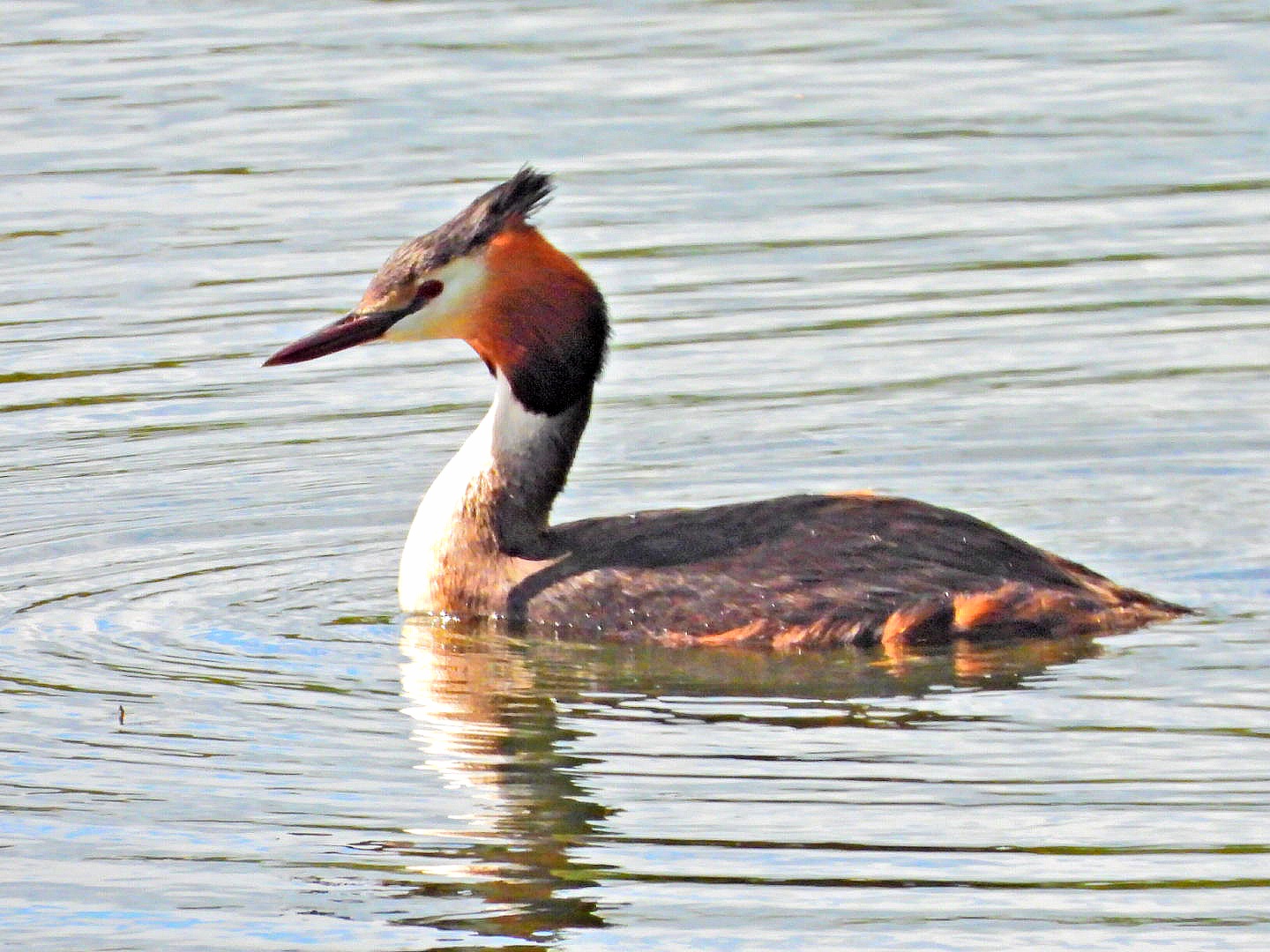
Great Crested Grebe – Forfar Loch
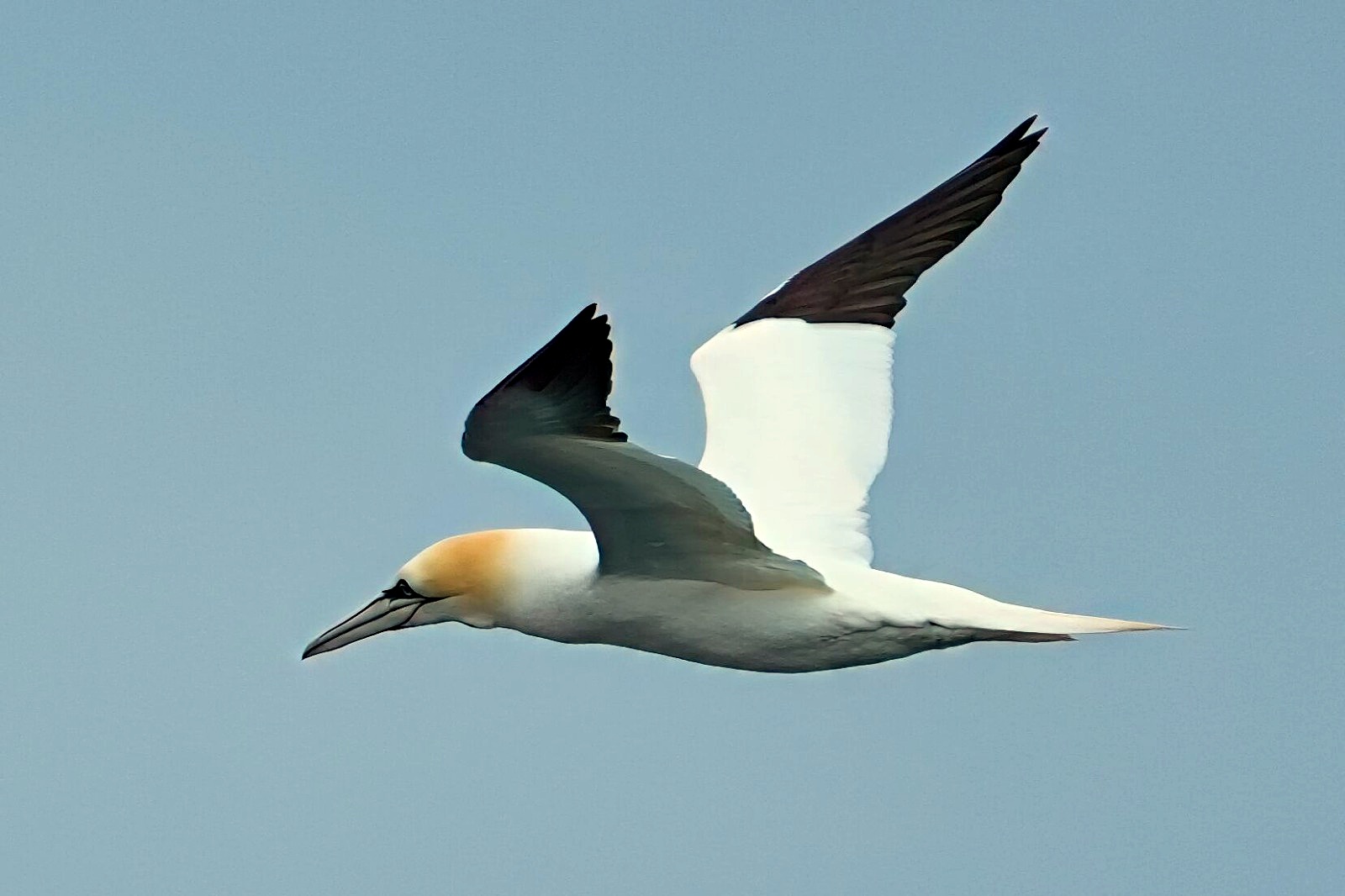
Gannet – Troup Head
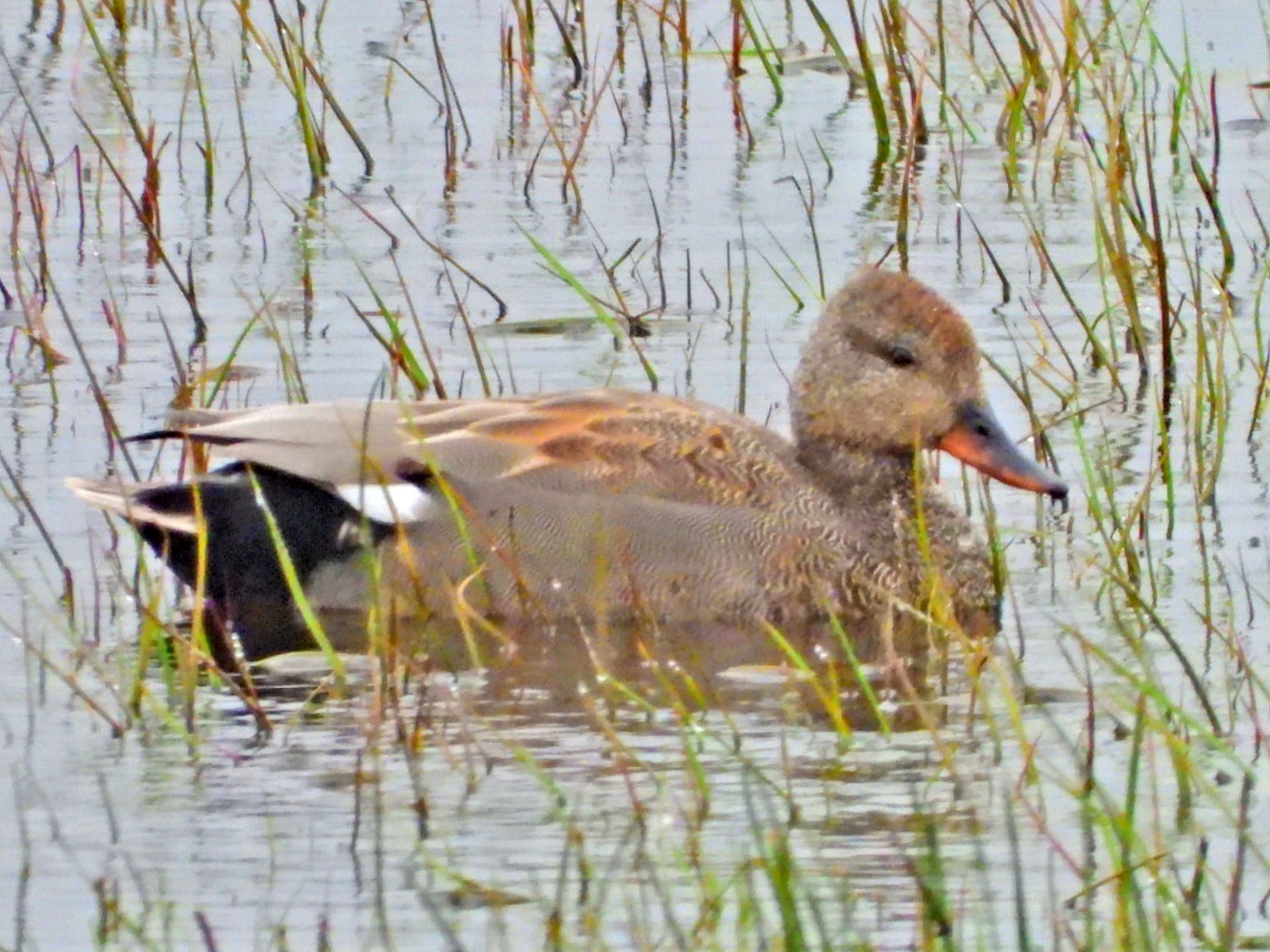
Gadwall – Loch of Strathbeg
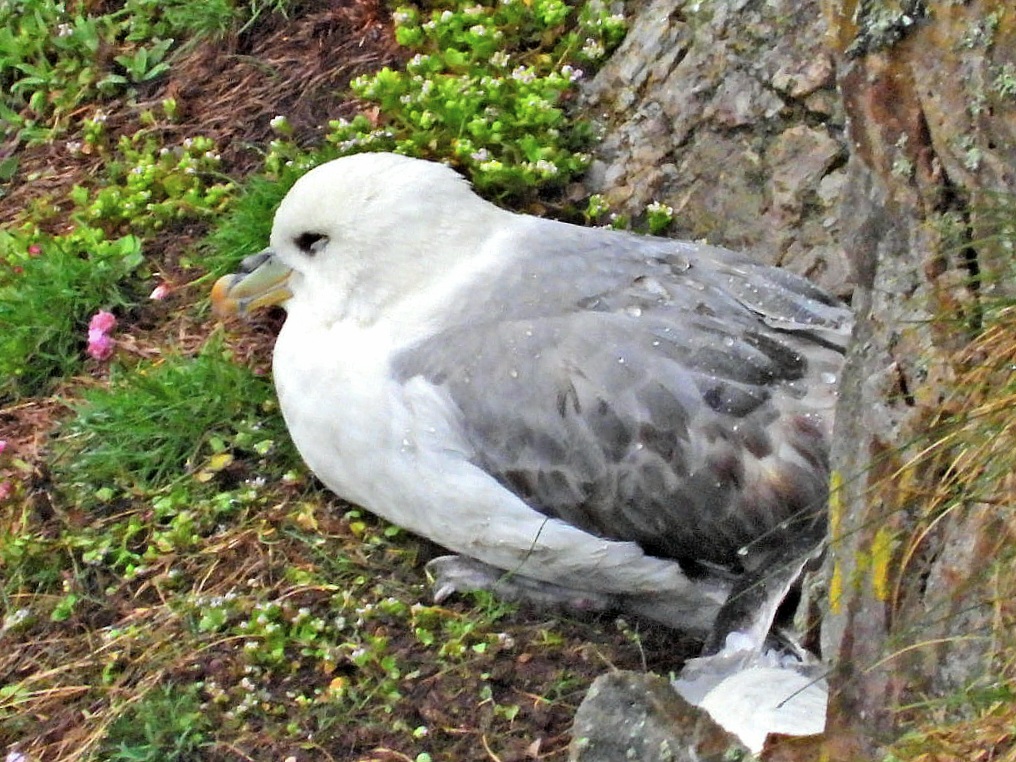
Fulmar – Troup Head

Crane – Loch of Strathbeg
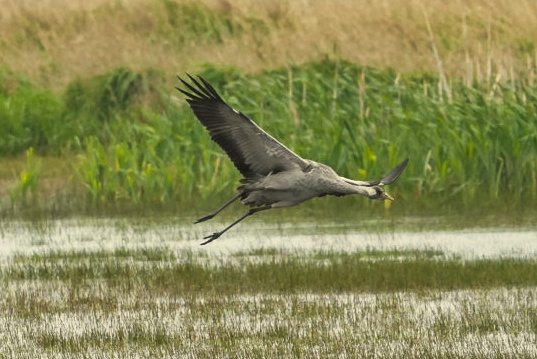
Crane – Loch of Strathbeg
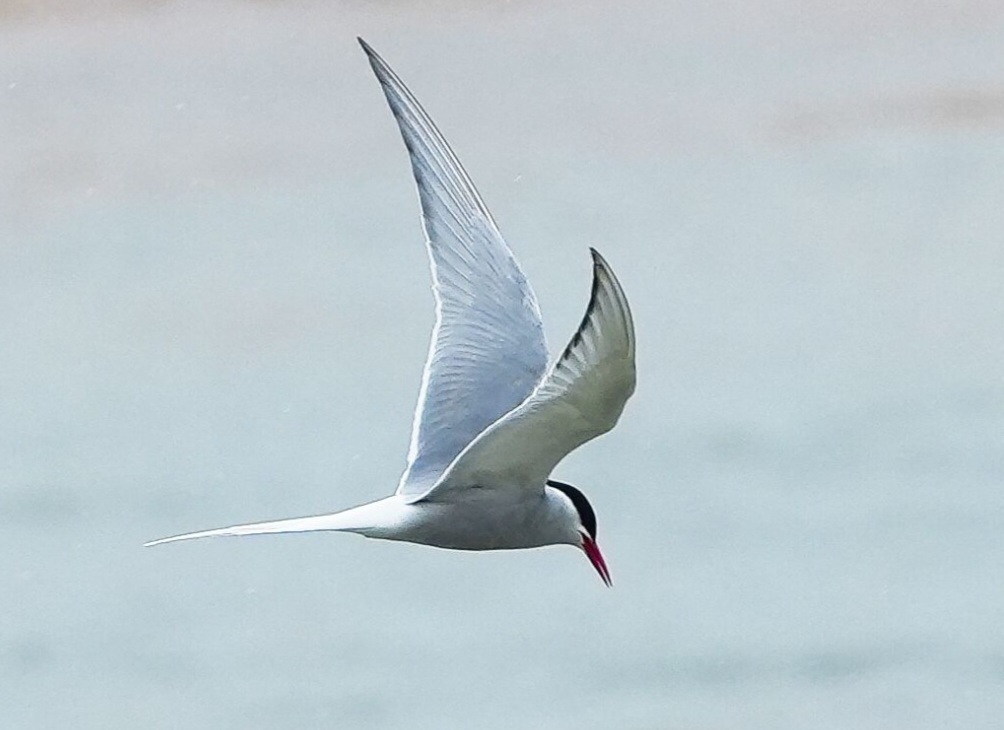
Arctic Tern – Ythan Estuary
| Great crested grebe | Lapwing | House martin |
|---|---|---|
| Fulmar | Knot | Meadow pipit |
| Gannet | Sanderling | Rock pipit |
| Cormorant | Purple sandpiper | Grey wagtail |
| Shag | Dunlin | Pied Wagtail |
| Great white egret | Ruff | Wren |
| Little Egret | Black-tailed godwit | Dunnock |
| Grey Heron | Bar-tailed godwit | Robin |
| Spoonbill | Curlew | Wheatear |
| Mute Swan | Redshank | Blackbird |
| Whooper swan | Wood sandpiper | Song thrush |
| Greylag goose | Turnstone | Sedge warbler |
| Shelduck | Great skua | Whitethroat |
| Wigeon | Black-headed gull | Blackcap |
| Gadwall | Common gull | Chiffchaff |
| Teal | Lesser black-backed gull | Willow warbler |
| Mallard | Herring gull | Long-tailed tit |
| Shoveler | Great black-backed gull | Coal tit |
| Tufted duck | Kittiwake | Blue tit |
| Eider | Sandwich tern | Great tit |
| Long-tailed duck | Common tern | Magpie |
| Goosander | Arctic tern | Jackdaw |
| Marsh harrier | Little tern | Rook |
| Sparrowhawk | Guillemot | Carrion crow |
| Buzzard | Razorbill | Hooded crow |
| Osprey | Feral Pigeon/Rock Dove | Starling |
| Kestrel | Woodpigeon | House sparrow |
| Pheasant | Collared dove | Tree sparrow |
| Water Rail | Cuckoo | Chaffinch |
| Moorhen | Swift | Greenfinch |
| Coot | Great spotted woodpecker | Goldfinch |
| Crane | Skylark | Linnet |
| Oystercatcher | Sand martin | Yellowhammer |
| Ringed plover | Swallow | Reed bunting |
| Corn bunting | ||